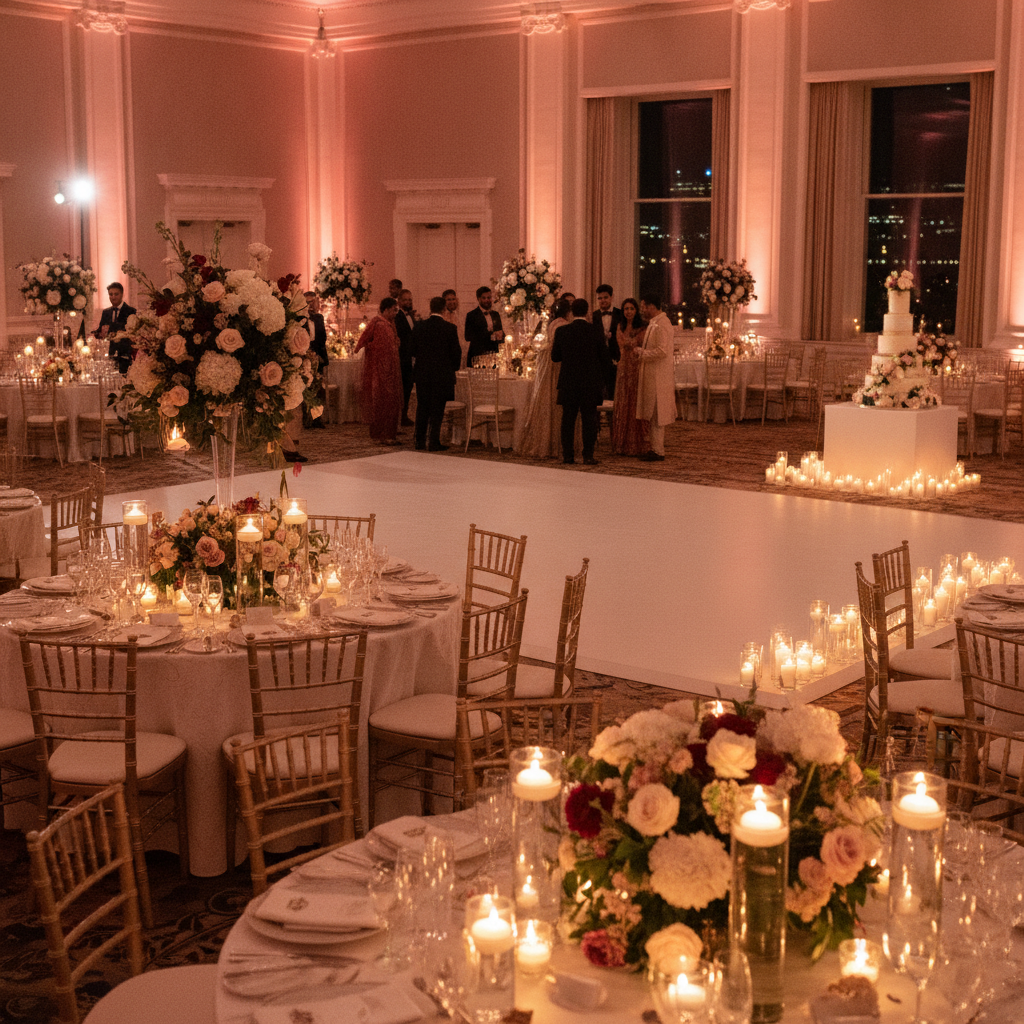
Wedding planning in London is the end-to-end coordination of venues, rituals, design, vendors, and timelines to deliver a seamless celebration. From our base on Abercorn Gardens in HA3 0PB, Patel Events guides couples through decisions that shape the day. The goal is simple: reduce stress, honor your traditions, and keep your plan on budget.
By Shani Patel — Patel Events
Last updated: 2026-06-19
Start here: your London wedding planning game plan
Start with a clear 9–18 month roadmap, lock your venue and core vendors early, and align every choice to three priorities: guest experience, cultural fidelity, and design impact. A single master timeline with vendor tracks keeps moving parts visible and prevents last‑minute surprises across London’s busy event calendar.
Take two minutes to orient yourself. This above-the-fold section is your quick map for a confident planning start.
- What you’ll get: A proven, London-specific process plus culturally fluent tips for South Asian ceremonies.
- Who it’s for: Couples hosting civil or faith-based weddings in Greater London, including nikkah, sangeet, Gujarati pheras, and palatial receptions.
- How to use it: Scan the checklists, save the timelines, and share sections with your wedding party and vendors.
We’ve executed 500+ events over 27+ years with a 98% client satisfaction rate and a vetted network of 50+ trusted vendors. Those numbers shape every recommendation you’ll read here.
Quick summary
Successful wedding planning in London hinges on early venue selection, a unified master timeline, and tight vendor scopes. Anchor decisions to three non‑negotiables, plan buffers for travel and room flips, and assign clear owner-by-task accountability so traditions and wow moments land without stress.
Here’s your at-a-glance snapshot before we go deep.
- Timeline: Reserve venues and production 9–18 months out; entertainment and catering soon after.
- Priorities: Define your top three (e.g., rituals, guest comfort, décor) and test choices against them.
- Risk control: Add weather, travel, and load-in contingencies for outdoor or marquee elements.
- Accountability: One central run sheet with named owners for each cue and deliverable.
If your ceremony sequence includes mehndi, sangeet, ceremony, and reception, we recommend a separate mini-run sheet per event to keep cues crisp.
What is wedding planning in London?
Wedding planning in London is full-service coordination of design, logistics, multi-day rituals, and vendor orchestration to deliver a celebration that runs on time and reflects your vision. It translates ideas into layouts, schedules, and cue sheets that keep traditions intact in a fast-paced metro.
In practice, that means turning your vision into precise instructions. We convert concepts into floor plans, processional charts, and minute-by-minute cues vendors can follow without guesswork.
- Design control: Mood boards, palette, florals, and stage/mandap layouts aligned to your story.
- Logistics engine: Access times, power, sound checks, travel routes, and load-out sequencing.
- Ceremony guardianship: Nikkah protocols, Gujarati pheras, or civil vows executed respectfully.
- Vendor ecosystem: Coordination across décor, catering, photo/video, entertainment, and transport.
For culturally complex weekends, we typically integrate dozens of timed cues across sangeet, ceremony, and reception, then manage a silent room flip so the guest experience feels effortless.
Why wedding planning matters in London
London’s calendars fill quickly, venues run tight schedules, and multi-ritual weddings require choreography. Professional planning secures prime dates, safeguards traditions, and prevents bottlenecks with a single command center—critical when 50+ vendor tasks converge on one weekend.
Here’s why a structured plan changes everything.
- Venue pressure: Prime Greater London spaces book far in advance; strong holds and decisive options matter.
- Cultural sequencing: Mehndi, sangeet, vows, and reception each need tailored layouts, cues, and music transitions.
- Urban logistics: Parking, permits, and late-night load-outs demand coordinated timing and fallback routes.
- Guest care: Clear signage, seating, and dietary planning boost comfort and reduce delays at service.
In our experience, a unified master timeline reduces day-of radio calls and floor-walker escalations significantly because every supplier sees the same plan with clear ownership.
How wedding planning works: step-by-step
Map vision and priorities, then lock a venue window, guest count, and core vendors. Build a master timeline with vendor tracks, design your layouts, and confirm power, access, and sound rules. Rehearse key cues and publish a final run sheet with owner-by-task accountability.
9–18 month process (at a glance)
- Vision and values: Define style, must-have rituals, guest count range, and accessibility needs.
- Date and venue: Shortlist, site-visit, and secure holds aligned to access times and sound policies.
- Core vendors: Catering, décor/florals, photo/video, entertainment, and production (light/sound/stage).
- Design and flow: Mood boards, processional order, stage/mandap placement, and room flip plan.
- Guest journey: Invites, RSVPs, seating, dietary tags, and wayfinding that reduce friction.
- Operational plan: Access routes, load-in ladders, power distribution, and safety checks.
- Rehearsals: Ceremony cues, family photo sequence, and VIP movements.
- Final run sheet: Minute-by-minute schedule, contacts, cue-by-cue owners, and contingencies.
Planning multi-ritual weekends benefits from micro-run sheets. For example, we separate sangeet entertainment cues from ceremony vows so each team focuses on their track without noise.
| Milestone | Typical Window | Primary Owners | What to Confirm |
|---|---|---|---|
| Venue + Production | 9–18 months | Couple + Planner | Access times, capacity, sound rules, power map |
| Catering + Entertainment | 8–14 months | Planner + Couple | Menu flow, dietary plan, stage/AV needs |
| Design + Florals | 6–10 months | Planner + Stylists | Palette, tablescapes, ceremony staging |
| Invites + Guest Comms | 4–8 months | Couple + Planner | RSVPs, seating logic, wayfinding |
| Rehearsal + Final Brief | 1–4 weeks | Planner | Owner-by-task, contingencies, contact tree |
Want a ready-made run sheet? Our wedding day coordination checklist lays out owner-by-task fields and show-calling prompts you can duplicate.
Types of wedding planning services (and how to choose)
Choose full-service planning when you want end‑to‑end leadership, partial planning to fill gaps after you book a venue, and day‑of coordination for execution support. For South Asian weddings, add a cultural specialist; for overseas venues, use destination support to synchronize travel and multi‑day production.
| Service | Scope | Best For | Key Deliverables | Risk Reduced |
|---|---|---|---|---|
| Full-Service Planning | Design, vendors, logistics, execution | Busy couples; multi-ritual weekends | Master timeline, layouts, vendor scopes, show calling | Coordination gaps and surprise overruns |
| Partial Planning | Integrates your booked items | Couples with venue + select vendors | Gap analysis, vendor onboarding, cohesive plan | Duplicated tasks; misaligned deliverables |
| Day-Of Coordination | Rehearsal + event execution | DIY planners needing execution | Run sheet, supplier cueing, floor management | Missed cues; timeline drift |
| Cultural Specialist | Ritual design + vendor guidance | Nikkah, Gujarati pheras, sangeet | Protocol briefs, staging, music/language notes | Ceremony errors; guest confusion |
| Destination Planning | Overseas venues + travel sync | Udaipur, Goa, and beyond | Local vendor network, logistics, permits | Cross-border logistics risk |
For a deeper dive on overseas logistics, review our destination wedding planning checklist and this perspective on destination vs. local planners.
Best practices for London weddings (with South Asian rituals)
Prioritize core vendors early, stage your ceremony with clear sightlines, and pre-brief entertainers on cultural cues. Use separate mini-run sheets for sangeet, vows, and reception, and assign a floor captain for each room flip so service stays tight and traditions feel unhurried.
Design and guest experience
- Sightlines first: Raise the mandap/stage slightly so elders and photographers get clean views without blocking service aisles.
- Tablescapes that work: Keep centerpiece bases narrow near buffet or family-style service paths; beauty plus function is the win.
- Wayfinding: Clear signage and bilingual programs reduce emcee announcements and guest clustering.
Cultural choreography
- Separate briefs: Issue ritual-specific notes (nikkah verses, pheras order) to emcee, band/DJ, and photo/video.
- Music transitions: Map 10–15 second fades to carry energy between sangeet acts and ceremony moments.
- Quiet cues: Use in-ear or WhatsApp cueing to keep sacred moments undisturbed.
Operations that prevent drift
- Buffer the flip: Add a 20–40 minute room flip window with canapé service elsewhere to keep guests engaged.
- Power map: Confirm dedicated circuits for stage wash, DJ, and catering warmers to eliminate resets.
- Owner-by-task: Every line item in the run sheet needs a named human; ambiguity creates delays.
Our wedding décor planning checklist helps you balance aesthetics with flow, while the Gujarati wedding planning timeline shows how multi-ritual days stay on time without feeling rushed.
Tools, timelines, and resources we rely on
Use a shared checklist, visual floor plans, and vendor scopes with clear power, access, and overtime rules. Publish one master timeline plus mini-run sheets for sangeet, vows, and reception. A single source of truth reduces calls, collisions, and cue drift on the day.
- Shared workspace: One central checklist and timeline everyone can view—no private versions.
- Visual plans: Layouts, seating, and back-of-house maps prevent catering and AV bottlenecks.
- Vendor scopes: Document deliverables, load-in windows, and sound checks to avoid gray areas.
- Ceremony briefs: Cultural protocols plus language and music notes for emcee and entertainment.
For reception pacing ideas, review this practical reception timeline guide that breaks a standard flow into digestible segments you can adapt.

Menu sequencing matters, too. For inspiration on structuring service around guest energy peaks, this resource on wedding catering menu planning outlines thoughtful course pacing you can localize with your caterer.
Local wedding planning in HA3 0PB and Greater London
Planning near HA3 0PB in Greater London means accounting for transit, venue access windows, and neighborhood noise rules. Build buffers around ceremony start times, coordinate vendor parking, and sequence room flips to respect venue policies while keeping your guest journey smooth.
From our Harrow base, we know local access windows, traffic rhythms, and late-night constraints. That detail helps your day run on rails.
Local considerations for HA3 0PB
- Plan guest arrivals around services at Kenton station; add five-minute buffers for photos and greetings.
- Weekend events near Northwick Park station can see variable traffic; stagger load-ins to protect setup time.
- For marquee or outdoor elements, prep rain and wind contingencies; secure weighted décor and a covered prep area.
For vendor coordination in Northwest London, align call times to avoid hallway congestion and ensure quiet corridors during vows or speeches.
Case studies and real examples
Real weddings prove the process. We’ve delivered silent room flips, multi-ritual weekends, and destination series that honor culture and keep pacing tight. With 27+ years, 500+ events, and 50+ vetted vendors, our plans hold under pressure—even when timelines compress.
Gujarati reception, Greater London
Challenge: Two-stage room flip for 350 guests between ceremony and reception without losing energy. Outcome: Silent changeover completed in 42 minutes; photo sequence finished before first course; dance floor opened on schedule with live dhol.
Nikkah and reception weekend
Challenge: Modest seating and acoustics for the nikkah, then a unified family-style banquet. Outcome: Separate seating plan and subtle audio carried recitations clearly; evening flowed into reception with curated playlist and emcee transitions.
Destination series: Udaipur
Challenge: Three venues across two days with sunrise mandap and fireworks compliance. Outcome: Local partners synchronized baraat routes and permits; sunrise staging hit first-light goals; reception spectacle timed to venue rules.
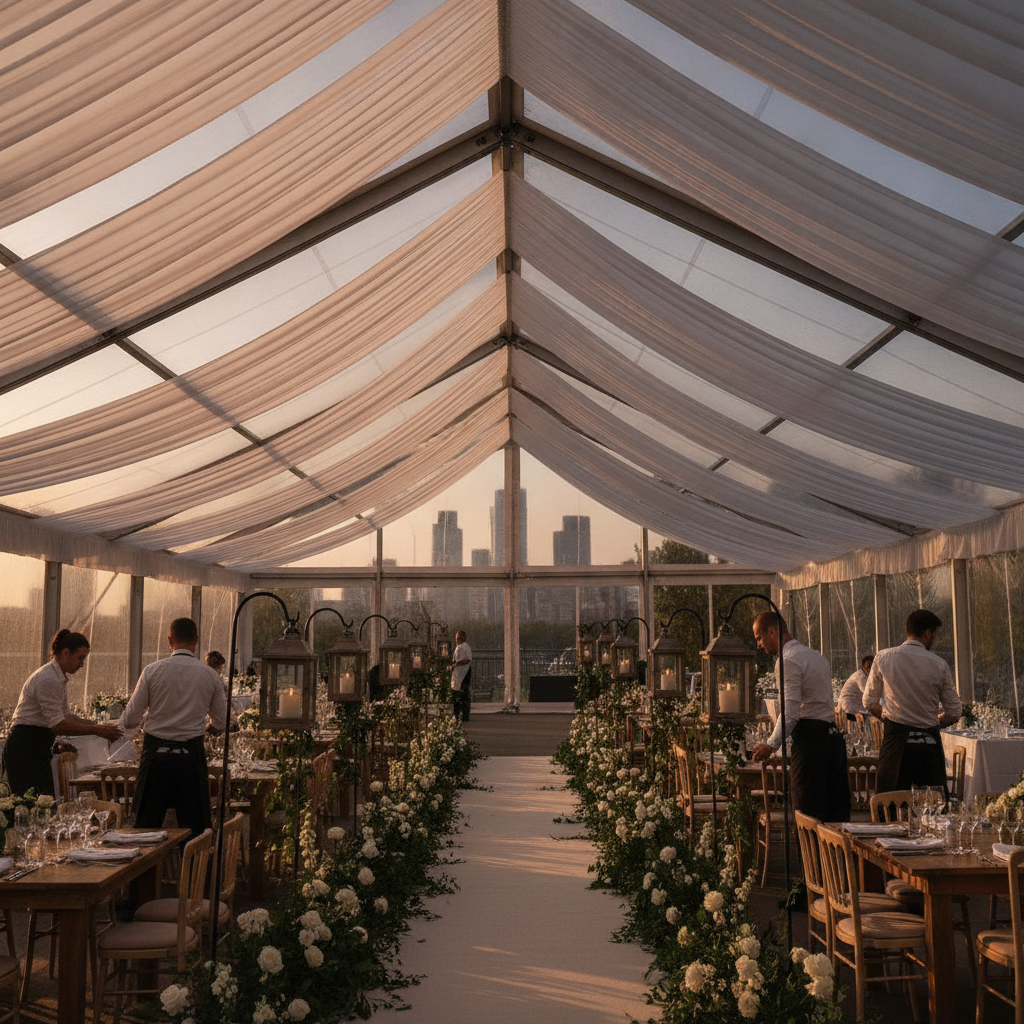
Thinking through pacing and guest comfort? Cross-check our wedding event management guide and the nikkah planning checklist to align protocols with service timing.
Venue selection shapes everything. For visual context on ballroom and banquet logistics, browse a venue showcase like this wedding venue overview to spark layout ideas you can adapt locally.
Frequently asked questions
Couples ask about timelines, vendor counts, rehearsals, and culturally specific briefings. The essentials: start 9–18 months out, run one master timeline plus mini-run sheets, and brief entertainment on rituals and language. A day-of lead and floor captains keep cues crisp.
How far ahead should we start wedding planning in London?
For prime dates and venues, 9–18 months gives you the best options. You can compress that window, but you’ll need faster decision cycles and stronger vendor availability checks. Multi-ritual weekends benefit from earlier holds so rehearsal windows are secured.
Do we need separate timelines for mehndi, sangeet, ceremony, and reception?
Yes. Keep one master timeline for the whole weekend, then add short mini-run sheets for each event. That lets entertainment, catering, photo/video, and floor captains focus only on their cues without wading through unrelated line items.
Can you work with a caterer or DJ we’ve already chosen?
Absolutely. We integrate your preferred suppliers into the plan, align deliverables and call times, and brief them on layout, power, and protocol. A clear scope and contact tree prevent overlap and keep execution smooth.
What does day-of coordination actually include?
We finalize the run sheet, lead rehearsal, manage supplier check-ins, and call every cue from guest arrivals to the last dance. Floor captains handle flips and seating, while your lead planner keeps communication quiet and on time.
How do you protect cultural authenticity during fast turnarounds?
We issue ceremony briefs with language and music notes, rehearse the order of service, and assign quiet cueing. Décor teams pre-stage ritual elements so nothing feels rushed, even when schedules compress.
Conclusion and next steps
Great London weddings combine early vendor decisions, precise timelines, and cultural fluency. If you anchor choices to your top three priorities and publish one source of truth, your day runs on rails—leaving space for emotion, not stress.
Key takeaways
- Lock venue and production 9–18 months ahead; add buffers around flips and travel.
- Run one master timeline plus mini-run sheets for sangeet, vows, and reception.
- Brief entertainment and MCs on language, cues, and transitions.
- Give every line item a named owner to prevent drift.
Soft CTA: Want our editable run sheet and décor checklist? Start with the coordination checklist, then add the décor planner to align pacing with design.
Planning a destination celebration? Explore our destination checklist and we’ll help you map Udaipur, Goa, or another overseas venue with the same precision we use in London.