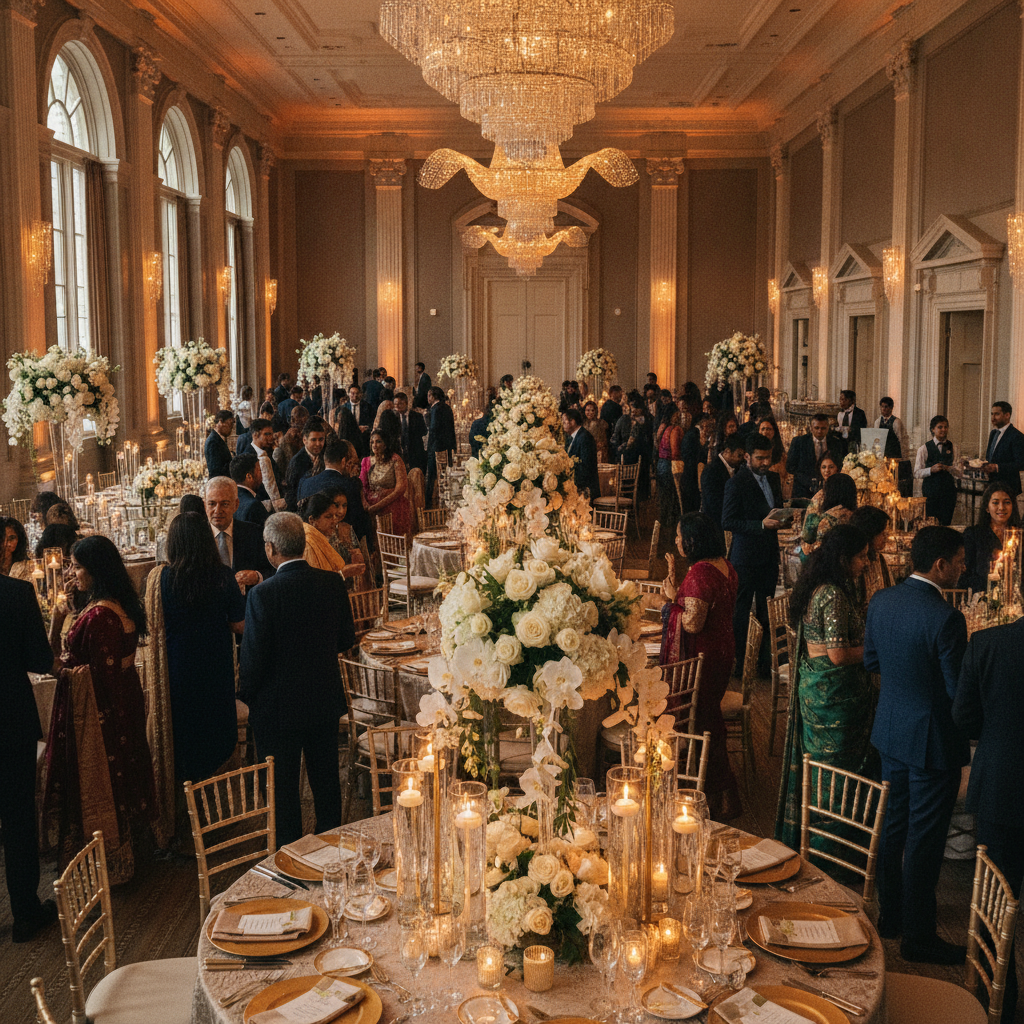
Wedding planners in London and across the UK are professional coordinators who design, organize, and deliver weddings end to end. They streamline vendor management, timelines, and styling so couples save time and reduce risk. For South Asian ceremonies and destination events, planners safeguard rituals and logistics, creating a seamless, culturally accurate celebration.
By Shani Patel — Patel Events
Last updated: 2026-06-25
At a Glance: Why a Planner Is Worth It
Hiring a wedding planner centralizes design, logistics, and cultural details into one accountable lead. Couples typically reclaim dozens of planning hours each month, reduce avoidable risks on the day, and achieve a more cohesive look and guest experience—especially for multi-ritual South Asian weddings and complex destination celebrations.
Here’s what you’ll get from this guide in under 20 minutes of reading:
- Clear roles: What professional wedding planners actually do, day to day (and what they don’t).
- Process clarity: A step-by-step roadmap from vision to vows, including a 12-month timeline.
- Service comparison: Full-service vs partial vs day-of coordination—who needs what and why.
- South Asian expertise: How nikkah, sangeet, and Gujarati rituals are protected and elevated.
- Destination know-how: How to de-risk overseas weddings (think Udaipur or Goa).
- Actionable tools: Checklists, mood boards, and vendor matrices you can use today.
In our experience across 500+ events with a 98% client satisfaction rate, couples benefit most when design, logistics, and culture are led by one integrated team coordinating 50+ trusted vendors as needed.
What Is a Wedding Planner?
A wedding planner is a project lead who translates your vision into a plan, then executes it across venues, vendors, timelines, and guests. They protect your time, budget guardrails, and cultural priorities—so your day runs smoothly while the design feels intentional and personal.
Think of a planner as your wedding’s operating system. They align 8–12 vendor categories, 150–300 guests, 100+ decisions, and a 6–18 month timeline into one plan. The result: fewer bottlenecks, faster approvals, and documented decisions that keep momentum.
- Core responsibilities include vision discovery, venue sourcing, vendor curation, styling, timeline design, rehearsal, and on-the-day coordination.
- Specialist scope for South Asian weddings: ritual sequencing (nikkah, pheras, sangeet), family protocols, priest or Imam coordination, and guest flow for multi-day functions.
- Outcome: a fully integrated guest journey—from welcome to vows to reception—supported by a minute-by-minute run sheet.
For London venues with tight load-in windows and noise restrictions, a seasoned planner mitigates risk by sequencing supplier arrivals to the minute, assigning backup routes, and aligning venue policies with your program.
Why Hiring a Planner Matters (London, UK)
In London and across the UK, planners navigate strict venue policies, dense traffic, supplier lead times, and cultural nuances. The payoff is time back to you, lower day-of risk, and a design that reflects your story—without sacrificing ritual accuracy or guest comfort.
Here’s why this matters—especially if you’re balancing work, family, and multi-day functions:
- Time saved: Offload 15–25 hours per month across sourcing, scheduling, and approvals.
- Risk reduced: One lead handles 100–300 micro-coordination points on the day.
- Design coherence: Florals, lighting, and tablescapes work together instead of in silos.
- Cultural fidelity: Ceremonial details are sequenced correctly and explained to non-local vendors.
- Guest experience: Managed seating, shuttles, and program pacing keep 150–300 guests comfortable.
We’ve found the biggest stress relief comes from centralizing decision-making into one accountable team. That single change cuts duplicate messages, prevents conflicting vendor instructions, and keeps your timeline realistic for London conditions.
How Wedding Planning Works: From Vision to Vows
Planning a wedding follows a defined path: discover your vision, align scope and priorities, assemble the right vendors, design the experience, lock logistics, then run the show. Each phase has decisions, documents, and checkpoints that keep everyone coordinated.
Phase 1: Discovery and Vision (Weeks 1–4)
- Story + style: Mood boards, two to three theme directions, color palettes, and must-have moments.
- Scope clarity: Guest count ranges (e.g., 120–220), one vs multi-day functions, and travel considerations.
- Decision record: A living brief captures 50–80 early decisions and constraints.
Phase 2: Venue & Date (Weeks 4–8)
- Shortlist: 4–6 venues that fit capacity, access, look, and policies.
- Site visits: Load-in routes, ceiling heights, sound limits, and ceremony options.
- Hold + confirm: Align availability, seasonal factors, and ceremonial needs.
Phase 3: Vendor Matrix (Months 2–5)
- Core team: Catering, décor/florals, cinematography, DJ, photo, lighting, and transport.
- Comparisons: Apples-to-apples matrices across 6–8 categories with lead times and deliverables.
- Contracts: Clear scopes reduce change orders and day-of surprises.
Phase 4: Design Development (Months 3–7)
- Tablescapes: Linens, chargers, menus, and centerpieces designed as one story.
- Florals: Ceremony feature, mandap or arch, and reception focal points.
- Guest journey: Signage plans, seating flows, and welcome touchpoints.
Phase 5: Timeline & Run Sheet (Months 5–8)
- Master schedule: 2–4 pages per function, minute-by-minute pacing for 12–16 hours.
- Vendor calls: Confirm arrival windows, staging zones, and emergency contacts.
- Rehearsal: Family roles, ritual sequencing, and processional timing.
Phase 6: Execution (Event Week)
- On-site lead: One point of contact coordinates 100+ micro-tasks.
- Quality control: Design checks on linens, place settings, lighting, and sound levels.
- Guest care: Accessibility needs, dietary flags, and VIP seating support.
For couples planning in London, we recommend a 10–14 month runway to lock high-demand venues and secure trusted vendors during popular seasons.
Types of Planning Services Compared
Most couples choose between full-service planning, partial planning, day-of coordination, and design-only support. Your choice depends on timeline, complexity, and how much time you can realistically commit each month.
| Service Type | Best For | Scope Highlights | Time You Save |
|---|---|---|---|
| Full-Service Planning | Busy couples; multi-day or destination | End-to-end design, vendor curation, run sheets, on-site team | 15–25 hrs/month |
| Partial Planning | Couples with venue/vendors secured | Gap-filling, timeline optimization, supplier coordination | 8–12 hrs/month |
| Day-Of Coordination | DIY planners needing show-day control | Final confirmations, 1–2 week handover, on-the-day lead | 6–8 hrs/event week |
| Design-Only | Style-led couples with logistics handled | Mood boards, florals, tablescapes, lighting direction | Variable |
- For South Asian weddings, full-service support helps coordinate 2–5 functions, 150–400 guests, and 20–40 vendor staff across days.
- For destination weddings, centralizing flights, accommodations, and customs for décor pieces avoids delays.
- For intimate vows (under 80 guests), partial planning plus day-of often provides the right balance of support and autonomy.
Best Practices for Choosing Wedding Planners in London, UK
Assess experience with your wedding style, evaluate process maturity, and look for transparent documentation. In London, ask about load-in plans, local vendor relationships, and how they handle multi-ritual sequencing. A structured planner prevents day-of friction and protects cultural priorities.
What to look for during discovery calls
- Similar weddings delivered: At least 3–5 events matching your size, style, and cultural needs.
- Process & tools: Ask for a sample run sheet (2–4 pages), a vendor matrix, and design boards.
- Vendor ecosystem: A vetted network (we coordinate with 50+ partners) speeds sourcing.
- Communication rhythm: Cadence, channels, and one decision log to track 100+ details.
- On-site staffing: Number of coordinators per 100 guests; backup plans for travel or illness.
How Patel Events aligns to these standards
- Experience: 27+ years; 500+ celebrations across London, the UK, and overseas.
- South Asian fluency: Ritual sequencing for nikkah, Gujarati pheras, and vibrant sangeet nights.
- Integrated design: Meticulous floral styling, cohesive tablescapes, and lighting direction.
- Destination readiness: Proven planning for Udaipur palaces and Goa beachfront venues.
Local considerations for HA3 0PB
- Build travel buffers for guest arrivals near Kenton station on busy weekends; we stage ushers curbside to guide VIPs.
- For evening receptions, time golden-hour portraits before arrivals from Preston Road Station to keep the run sheet tight.
- Noise and parking vary by micro-area; we pre-assign supplier windows and loading routes to maintain neighborhood goodwill.
Want a deeper dive on the London landscape? See our wedding planning in London overview for seasonal timelines, popular months, and logistics tips.
Tools and Resources You Can Use Today
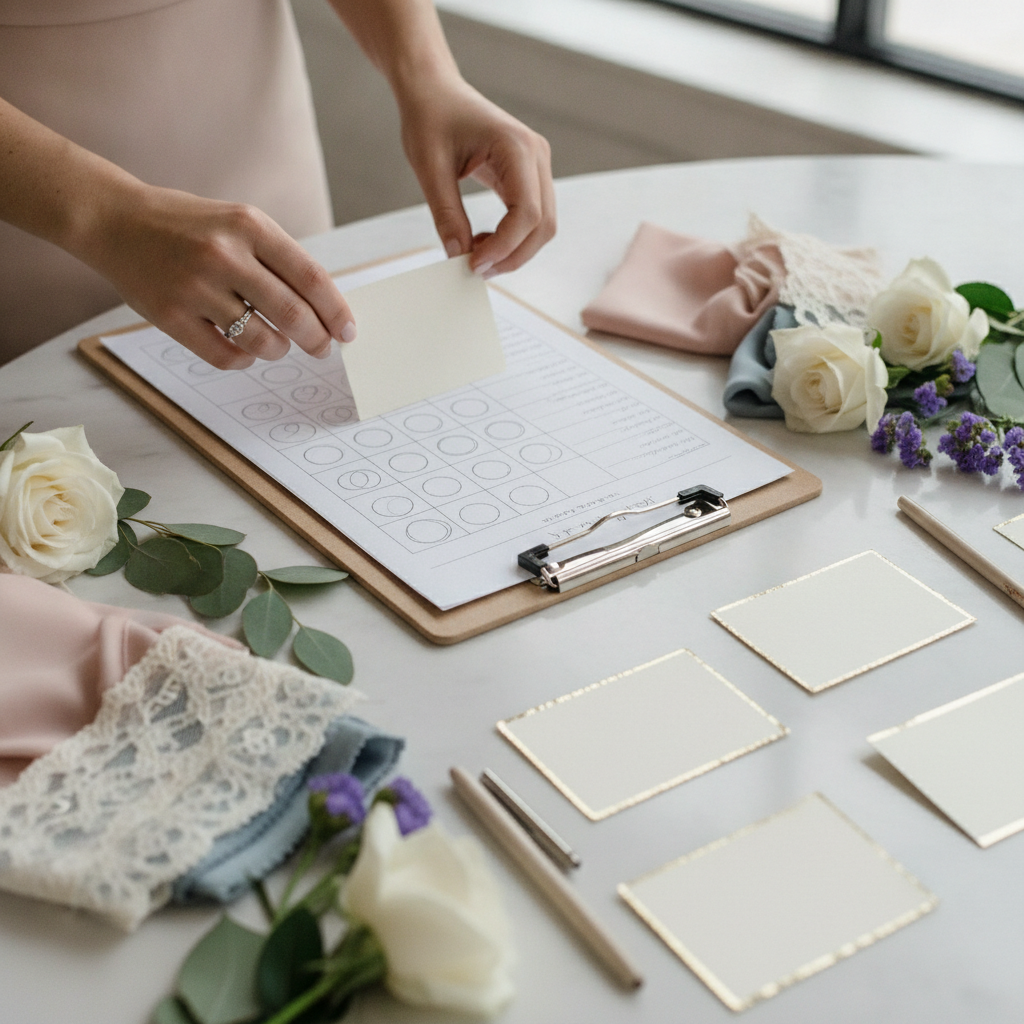
Great planning thrives on clear documents: a living brief, vendor matrix, day-of run sheet, and design boards. These tools reduce back-and-forth, preserve decisions, and let you compare options quickly—vital when London venues and top vendors book 6–12 months out.
- Vendor matrix: Compare 3–5 suppliers in each category with lead times, deliverables, and hold dates.
- Run sheet: A minute-by-minute plan keeping 150–300 guests, 8–12 vendors, and 12–16 hours aligned.
- Design boards: Colorways, florals, and tablescapes that unify invitations, attire, and décor.
- Venue checklist: Map load-ins, power points, ceiling heights, and any sound restrictions.
- Menu planning: Note dietary needs and cultural staples across functions.
For practical inspiration, explore this helpful South Asian venue checklist and this guide to wedding menu planning. For room layout ideas, review a ballroom-focused wedding setup gallery to spark seating and staging concepts.
Planning a destination celebration? Our destination planner guide and destination checklist outline documents and lead times for Udaipur, Goa, and other overseas venues.
Case Studies & Real-World Examples
Examples reveal the process in action. Below are condensed scenarios from our work in Harrow and London, showing how integrated planning protects rituals, tightens logistics, and elevates design across different guest counts and venues.
Case 1: Gujarati wedding + sangeet (220 guests)
- Challenge: Two functions, one weekend, separate venues, tight Saturday load-ins.
- Plan: Vendor matrix across 8 categories; dual run sheets (12 and 14 hours); floral reuse strategy.
- Outcome: 30-minute buffer absorbed a late coach; pheras started on time; dance floor unveiled with cold spark timing.
Case 2: Intimate nikkah (60 guests)
- Challenge: Ceremony-first flow, then a family-style dinner with specific seating sensitivities.
- Plan: Quiet-room setup for elders; accessible seating; menu cards flagging dietary notes.
- Outcome: 100% of key family photos captured within 40 minutes; elders seated comfortably; smooth speeches pacing.
Case 3: Destination wedding in Udaipur (180 guests)
- Challenge: Customs timing for décor elements; flight staggering; monsoon season backup.
- Plan: Shipping schedule with 3-week buffer; rain plan layouts; welcome kit logistics.
- Outcome: All events ran to schedule; baraat route cleared; sunset portraits hit the exact 18-minute light window.
For more detail on cultural programs and teams, see our Indian wedding planners guide and our coordinators playbook.

Frequently Asked Questions
These quick answers address common questions couples ask during discovery. Each response is concise and practical so you can move forward with confidence—and know when to lean on a professional planner.
What’s the difference between a planner and a coordinator?
A planner leads the entire journey—vision, vendors, design, and logistics—while a coordinator steps in close to the event to organize final details and run the show. Many couples use full-service planning for multi-day or destination weddings and add a coordinator-level focus for week-of execution.
How far ahead should we book wedding planners in London, UK?
Aim for 10–14 months out in London. Popular venues and in-demand vendors often book 6–12 months ahead, and multi-ritual South Asian celebrations require added lead time for sequencing and rehearsals. Short timelines are possible with a focused brief and fast decision cycles.
Do we need a planner for a small or intimate ceremony?
If you’re under 80 guests and have reliable venue support, partial planning plus day-of coordination often hits the sweet spot. You’ll keep creative control while delegating the timeline, vendor calls, and on-the-day execution to a lead who protects your schedule and guest comfort.
How do planners support South Asian wedding rituals?
Experienced planners handle ritual sequencing, coordinate with priests or Imams, brief the décor and entertainment teams, and rehearse family roles. The goal is cultural fidelity with a modern guest experience—clear signage, smooth flows, and accurate timing across nikkah, sangeet, pheras, and receptions.
Conclusion, Key Takeaways, and Next Steps
A great planner gives you time back, reduces day-of risk, and elevates design—especially in London’s fast-paced environment and for multi-ritual celebrations. Choose experience that matches your style, confirm process maturity, and align on communication so decisions stay clear and momentum steady.
Key takeaways
- Wedding planners in London, UK integrate 8–12 vendor categories and 150–300 guests into one plan.
- Full-service support best suits multi-day, cultural, or destination weddings; day-of fits DIY couples.
- Strong documentation—brief, matrix, boards, run sheet—prevents delays and protects your vision.
- Early booking (10–14 months) increases venue and vendor options during peak months.
Action steps
- Outline your must-haves and guest count range, then compile a simple one-page brief.
- Shortlist 4–6 venues that fit access, capacity, and vibe; schedule site visits.
- Meet two to three planners; request a sample run sheet and vendor matrix.
- Skim our UK wedding planner guide and Indian wedding planners guide to refine your plan.
Soft invitation: Planning near HA3 0PB? Let’s map your timeline, vendors, and styling in one discovery call. We’ll align your cultural rituals with a smooth guest journey—start to finish.