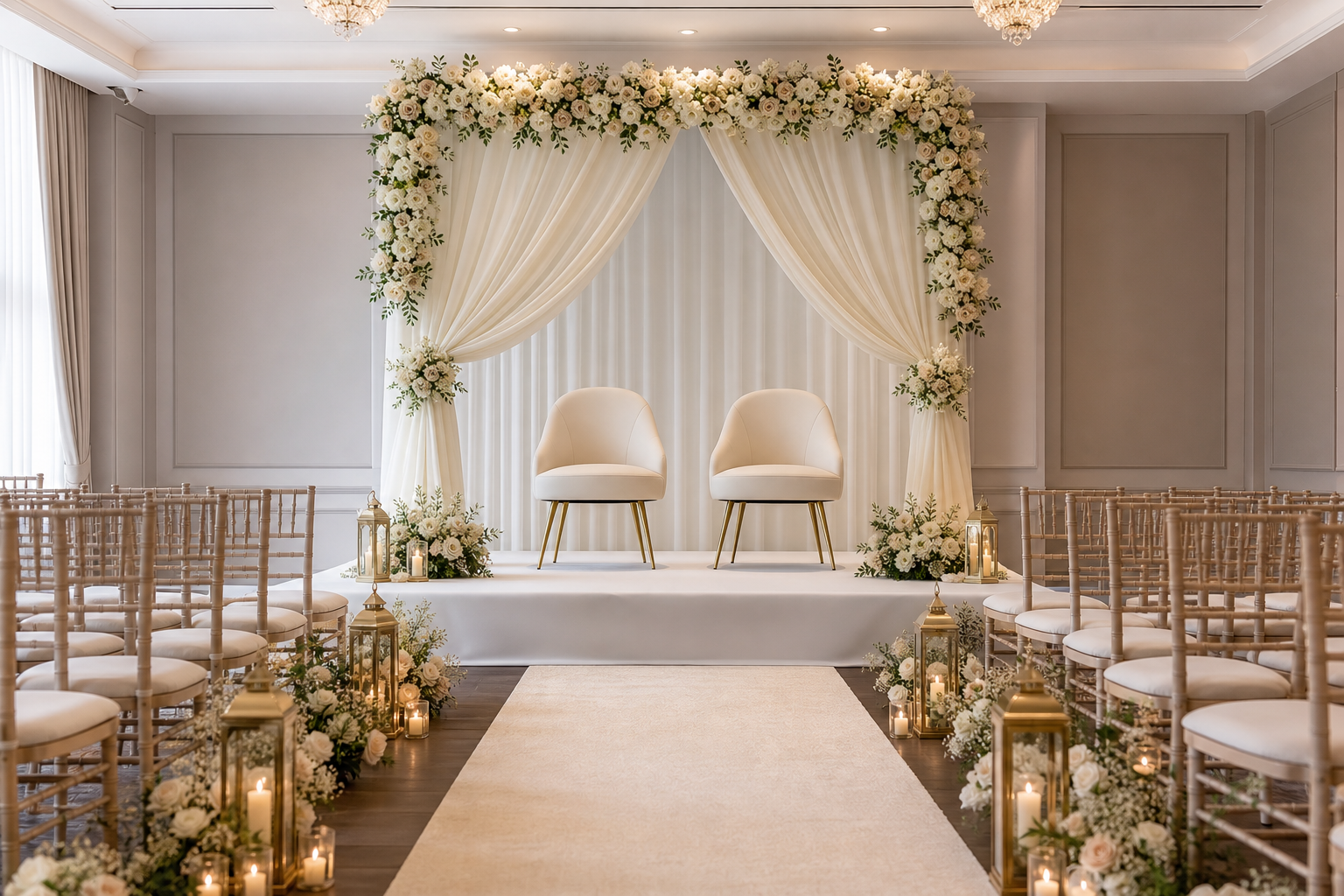
nikkah ceremony planning in tooting: a practical checklist and timeline
If you’re beginning nikkah ceremony planning in tooting, you likely want a celebration that is reverent, beautifully presented, and easy for loved ones to attend. This guide focuses on practical decisions you can make from the very start: how to pace your timeline, what to look for in a venue layout, ways to approach décor and hospitality, and simple checklists you can follow. Where religious or legal details are involved, consider this general information only and consult a qualified scholar, officiant, or registrar for guidance.
What makes a meaningful nikkah
A nikkah is a solemn, joyful moment centered on intention, consent, and witness. While practices vary by community and school of thought, a typical ceremony may include an address or reminder, the proposal and acceptance (ijab and qubul), stipulation of mahr, and signatures with witnesses present. Many couples also include a short supplication and words of advice. Because details differ, confirm your exact structure with your officiant or imam and ensure both families are aligned before planning décor, seating, or run-of-show.
- Discuss expectations early: language, length, and whether the ceremony will be seated, gender-separate, or mixed.
- Clarify documentation and witness requirements with your officiant.
- Decide whether to include readings, advice, or a brief reminder and who will deliver them.
- Agree on the moment and method for exchanging or announcing mahr.
A realistic timeline for Tooting-based planning
Use this pacing to avoid last-minute pressure. Adjust to your circumstances—smaller gatherings can compress the schedule, while larger events benefit from extra lead time.
- 6–9 months out
- Confirm family expectations and whether you prefer a mosque, community hall, or private venue in or near Tooting.
- Align with your chosen officiant on the ceremony outline and any documentation you will prepare. For legal matters, verify requirements with a qualified authority; this guide does not provide legal advice.
- Sketch a guest estimate and broad budget categories (venue, hospitality, décor, photo/video, sound, attire, contingencies).
- 3–4 months out
- Secure a venue and hold a tentative ceremony time that suits prayer times and daylight for photography.
- Shortlist catering and dessert options that meet your halal standards and dietary needs.
- Outline décor direction and color palette; note any modesty or privacy screens required.
- Identify a photographer or videographer if desired; discuss a quiet, respectful approach during the ceremony.
- 8 weeks out
- Send save-the-dates or invitations, including clear arrival and seating information.
- Book sound support (microphones for the officiant, backup audio) and confirm who will cue transitions.
- Plan the seating chart and any gender-specific or family-priority seating.
- Begin attire fittings and finalize the mahr presentation plan.
- 4 weeks out
- Finalize your ceremony script with the officiant; confirm language(s) and any translations on printed programs.
- Lock menus and serving style (passed canapés, plated, buffet, or tea-only reception).
- Confirm logistics: venue access times, parking guidance, and any stroller or accessibility needs.
- Week of
- Create a minute-by-minute run sheet: arrivals, seating, ceremony, signing, congratulations line, refreshments, photos.
- Prepare an emergency kit (safety pins, stain wipes, tissues, water, spare hijab pins or cufflinks).
- Share contact details among key helpers and vendors; appoint one point of contact for the officiant.
- Day of
- Have ushers greet early arrivals and maintain quiet before the ceremony begins.
- Test microphones, adjust seating aisles, and confirm signing table setup with pens and documents.
- Keep a short buffer before and after the ceremony for family photos and movement between spaces.
Venue and layout considerations
Whether you choose a mosque space, community hall, or private venue in Tooting, walk the space with your ceremony flow in mind. A thoughtful layout supports reverence, audibility, and comfort.
- Entrance and welcome: Position a welcome table with programs and seating guidance where guests naturally enter. If you prefer quiet reflection prior to the nikkah, place signage requesting phones on silent.
- Ceremony focal point: Arrange seating so all guests have a respectful view of the officiant and couple. Consider modest backdrops and ensure the signing table is close by to avoid crowding.
- Privacy and flow: If gender-separate seating is preferred, use clear aisle plans and modest dividers. Designate private areas for the couple and immediate family to catch a breath.
- Sound and acoustics: Hard surfaces can cause echo; a small carpet runner near the focal area and a simple speaker with a lapel mic can improve clarity.
- Accessibility: Ensure step-free routes where possible and proximity to restrooms and quiet spaces for elders or children.
- Prayer and wudu: Clarify what is available on-site and discuss etiquette with your officiant so guests know how to prepare.
Catering and hospitality
Hospitality can be as simple as dates, tea, and sweets or as elaborate as a full meal after the ceremony. Decide what suits your timing, guest count, and values.
- Halal assurance: Confirm sourcing and preparation standards with your chosen caterer. Consider a simple card noting allergens and dietary accommodations.
- Serving style: For shorter nikkahs, tea and mithai or desserts keep the event light. For longer gatherings, consider canapés or a buffet with clear labeling and a smooth guest flow.
- Timing: Plan light refreshments immediately after the ceremony to keep guests comfortable during photos and congratulations.
- Water and tea stations: Self-serve drink points help alleviate queues and free staff for elderly or family-priority service.
- Takeaway boxes: A small stack for elders or parents with young children is a considerate touch.
Décor and styling ideas
Choose a style that feels authentic. Many couples aim for a calm, elegant setting that frames the vows and signing.
- Palette and texture: Neutrals with one accent color photograph well. Consider soft textiles, floral touches, or foliage for warmth without distraction.
- Meaningful details: A simple calligraphy piece, minimal stage riser, or tasteful arch can create focus without overwhelming the space.
- Seating accents: A modest couple’s seating arrangement can double as a portrait spot post-ceremony.
- Signage: Clear, discreet signs for seating, quiet request, and refreshment areas prevent crowding and questions.
- Lighting: Natural light is ideal. Supplement with warm, indirect lighting to avoid harsh shadows during photos.
Ceremony flow and roles
Define who speaks, who signs, and how transitions occur. A short rehearsal—or at least a pre-event run-through—ensures everyone is comfortable.
- Officiant and reminders: Confirm the order of remarks, language, and mic checks. Decide if a family elder will share advice.
- Consent and mahr: Align on wording, timing, and who will announce details, mindful of privacy.
- Witnesses and wali: Ensure they understand where to sit and when to step forward.
- Ushers: Assign two or three calm helpers to seat elders, manage the aisle, and open/close doors quietly.
- Photography: Agree on discrete coverage and any no-flash moments to preserve the atmosphere.
Checklists to print or share
Use these concise lists to keep planning on track and share them with family or helpers.
Essentials checklist
- Officiant confirmed and ceremony outline agreed
- Witnesses selected and briefed
- Venue booked with access times noted
- Signing table, chairs, pens, and documents set
- Microphones, basic sound check, and backup plan
- Hospitality plan (menu, labeling, serving order)
- Seating plan and any dividers/privacy screens
- Programs or guidance cards for guests
- Photography cues and group shot list
- Emergency kit and water for the couple
Day-of run sheet (example)
- Venue access and setup begins
- Sound check and focal area finalized
- Officiant and witnesses arrive; documents verified
- Guests seated; quiet requested
- Ceremony, signing, and short supplication
- Congratulations line and portraits
- Refreshments and informal mingling
- Packed items checked out; venue walkthrough
Budget and vendor coordination
Begin with broad categories, then refine. A simple structure prevents surprises and helps you decide what matters most.
- Typical categories: Venue, hospitality, décor and flowers, sound, photography/videography, attire, printed materials, transport, contingency.
- Prioritize impact: Invest in audibility, seating comfort, and a clear focal area before adding decorative layers.
- Align expectations: Share your non-negotiables (e.g., modest backdrop, bilingual program) in writing.
- Confirm logistics: Access windows, load-in routes, and quiet hours help shape your run sheet and décor choices.
Questions to ask any vendor
- What is included, what is optional, and what is excluded?
- Who is my day-of contact and what is the backup if they are delayed?
- What are the setup and breakdown times, and what do you need from the venue?
- How do you handle last-minute guest count changes?
- Can you provide a simple floor plan or seating diagram for approval?
FAQs
What documents are needed for a nikkah in the UK?
Document needs vary by community and officiant. Your imam or officiant can clarify what is required for the religious ceremony itself. For any civil aspects, consult your local registrar or a qualified professional. This article is general information and not legal advice.
How long does a nikkah ceremony usually take?
Many ceremonies fit within 20–45 minutes, depending on readings, languages, and whether you include a short reminder or advice. Build a small buffer before and after for seating, signing, and greeting family.