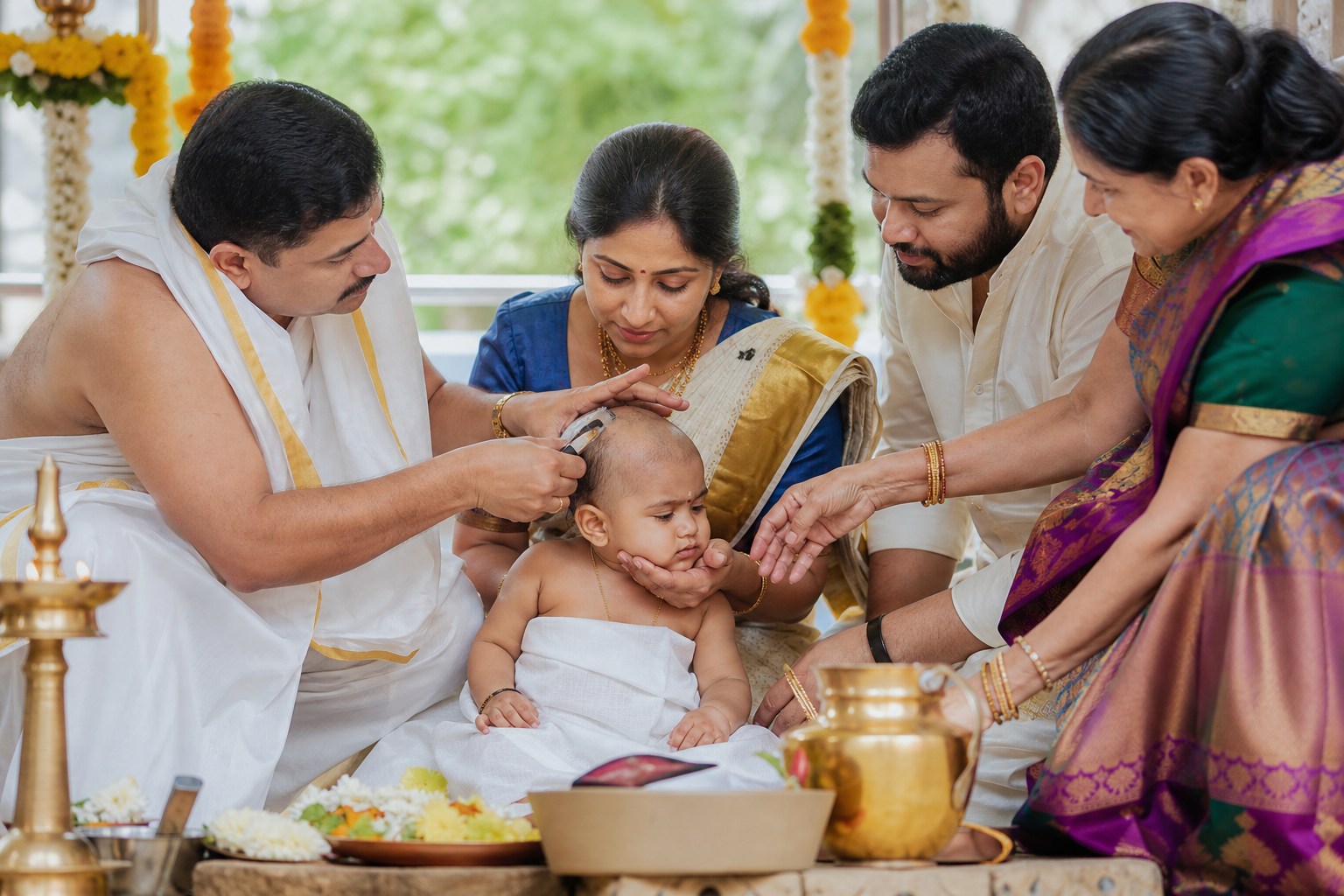
Mundan Sanskar ceremony guide and common planning mistakes
This Mundan Sanskar ceremony guide focuses on the specific planning mistakes families make in the UK and practical checks to use before you decide. The aim is not to replace a pandit or family tradition, but to help parents and organisers avoid delays, protect the child's safety, and preserve the ritual's dignity while managing local logistics in Harrow, London and beyond.
Mundan Sanskar: what it is and when families usually perform it
Brief meaning and purpose
Mundan, also called Chudakarana, is the Hindu ritual of a child's first haircut. It is traditionally one of the Shodasha Sanskars, the sixteen rites of passage described in classical sources. Contemporary guides explain the ceremony's symbolic role in marking an early life transition and cleansing practices performed during the puja, while offering stepwise vidhi details for families preparing the ritual VedicPrism.
Typical ages and muhurat factors
Many families prefer to perform Mundan between ages one and three, though customs vary by community and family. Families who consult an astrologer often choose an auspicious muhurat on the child's calendar, and that choice can affect guest availability and logistics Sanatana Journey. Practical UK planning usually balances the muhurat with travel and venue constraints, as explained in resources for NRIs and families organising ceremonies abroad BookAyodhyaKashi.
Modern variations: home, temple, or small venue
Families may stage a brief home ritual, book a local mandir puja, or add a small reception at a private venue. Each option keeps the core vidhi intact, while timing, samagri, and vendor needs change depending on the location and size of the gathering Vedic Pooja.
Key planning mistakes that commonly delay or complicate a Mundan
1. Inadequate pandit and vendor vetting
What often goes wrong: booking the first available priest without confirming the exact vidhi they will perform creates last-minute disagreements about samagri, timing, and muhurat flexibility.
How to check or prevent it: ask for a written vidhi outline, confirm muhurat availability, and request references for recent UK ceremonies.
When to call a professional: if you face a strict muhurat and significant guest constraints, escalate to a planner who coordinates the pandit and alternatives.
2. Ignoring venue rules and capacity limits
What often goes wrong: choosing a venue then discovering the space forbids religious rituals, has strict sound policies, or limits catering types.
How to check or prevent it: read venue rules early and ask about religious services, catering rules, and insurance.
When to call a professional: if the venue requires permits or bespoke layout solutions, ask a planner or the venue manager to confirm compliance.
3. Skipping child safety and medical checks
What often goes wrong: treating the haircut as purely ceremonial and not preparing for the child's comfort leads to distress during the puja.
How to check or prevent it: schedule the haircut at a calm time of day, keep the child fed and rested, have a familiar adult hold the child, and carry basic first aid.
When to call a professional: if the child has skin or scalp conditions, check with your GP before the ceremony.
4. No plan for hair disposal or donation
What often goes wrong: families expect immediate temple collection for hair donation but the local mandir or international charity cannot accept the hair.
How to check or prevent it: verify donation options with the pandit or temple in advance and arrange hygienic packaging for transport.
When to call a professional: a planner can coordinate hair collection and storage or direct you to appropriate UK charities.
5. Underestimating samagri and puja timing
What often goes wrong: insufficient puja items or an unclear timeline makes the ritual longer and disruptive.
How to check or prevent it: use a checklist, confirm which items the pandit will supply, and allocate time for arrival, puja, haircut, aarti, and prasadam.
When to call a professional: if you need the pandit to provide samagri in the UK, ask vendors early.
6. Poor photography and film coordination
What often goes wrong: an inexperienced photographer interrupts mantras or stands in sightlines.
How to check or prevent it: brief photographers on the vidhi flow and modesty rules before the day, and provide a respectful shot list.
When to call a professional: if you want unobtrusive cinematography, engage a team familiar with religious ceremonies to avoid disruption.
For a fuller planning checklist tailored to a Mundan in the UK, see our internal resource on practical planning and timelines mundan sanskar planning guide.
How to vet a pandit and ritual vendors: exact questions to ask
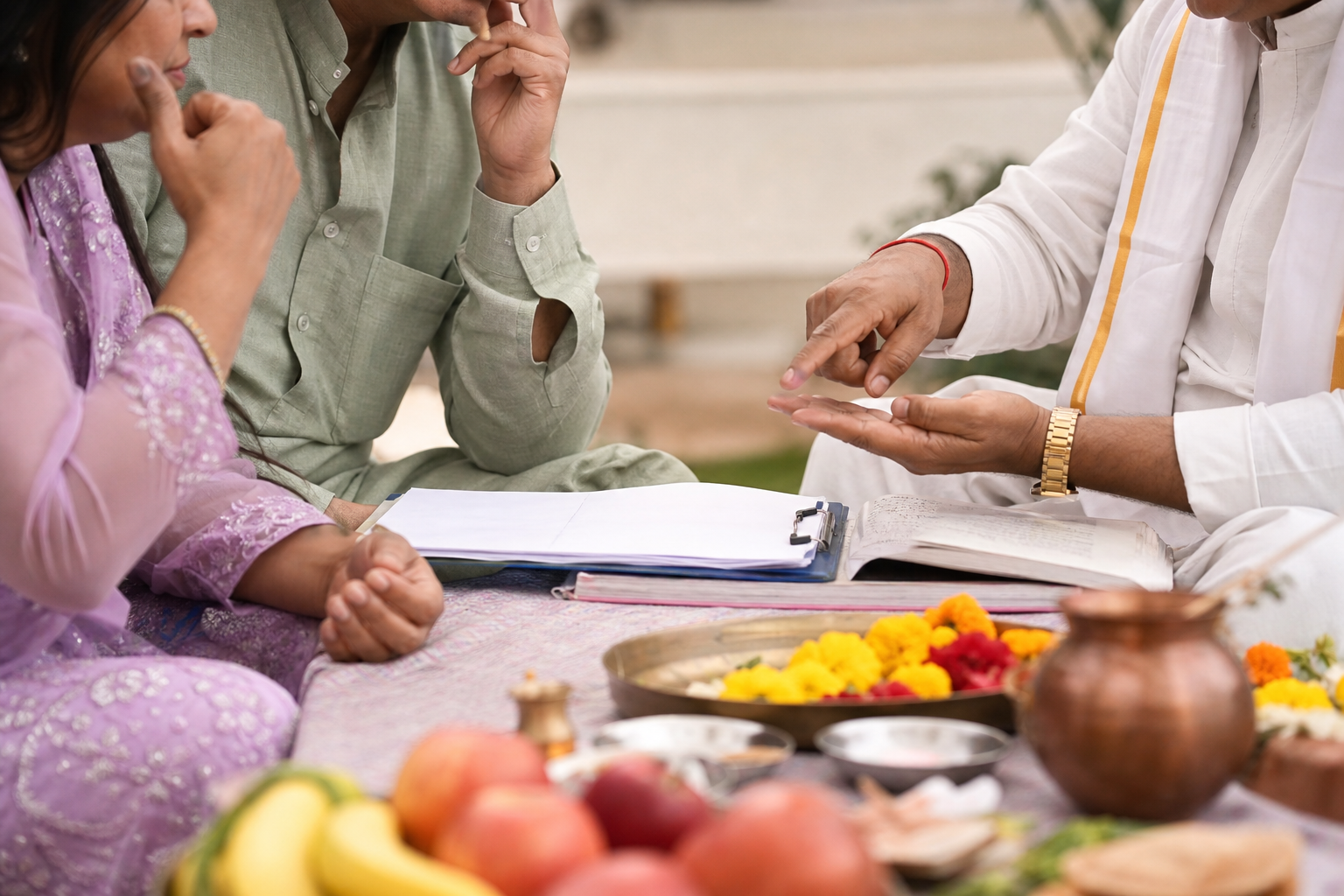
Questions about ritual competence
- Which vidhi do you perform for Mundan and can you provide a brief stepwise outline?
- How many Mundan ceremonies have you conducted in the UK in the past year?
- Can you confirm which samagri you will supply and which items we must provide?
Local experience matters. Ask for references and, where possible, photos or short videos of previous ceremonies to confirm the priest's familiarity with UK logistics and venues AryaSamajShastriji.
Questions about logistics and muhurat
- Are you available for the muhurat date, and if not, can you propose acceptable alternatives?
- How long do you expect the puja and haircut to take in a home setting?
- Do you advise hair donation and do you accept or arrange hair collection?
Red flags to watch for
Red flags include refusal to provide a clear vidhi, lack of references, or insistence on unusual additional items without explanation. If a vendor will not answer basic timeline or safety questions, consider alternate providers.
Venue and at-home options in Harrow and London: permissions, capacity, and travel
Home ceremony checklist
- Confirm space for the puja and a private area for the haircut.
- Plan seating and a quiet route for elders to arrive from local stations.
- Have a backup plan in case of space constraints or weather issues for any reception.
Temple services and typical offerings
Many mandirs offer Mundan services and will include a pandit and basic samagri. Verify whether the temple handles hair collection, donation, or disposal, and if they require advance booking for a muhurat. If you need to hold the ceremony in a mandir, ask what the temple provides and what you must bring BookAyodhyaKashi.
Small venue checklist and permissions
If you book a private venue, check whether religious services are permitted, confirm catering rules, and ask about insurance or permit requirements. Many venues in London and Harrow host small family ceremonies, but policies vary, so confirm early.
Practical samagri checklist and a simple ceremony flow you can print
Essential samagri
- Clean cloth and a new tray for shaving, kesha samskara items.
- Puja items: incense, diya, camphor, kumkum, turmeric, rice, coconut, flowers.
- Water vessel, small scissors or razor for the haircut, mirror, towels, and wet wipes.
- Prasadam boxes and a waste bin for hygienic disposal.
Check with your pandit which of these they will bring and which you should provide Sanatana Journey.
Optional items for a larger reception
- Flower garlands, a simple stage backdrop, seating for elders, and a small sound system for aarti music.
- Decor, catering for guests, and a guest book for well wishes.
30 to 60 minute ceremony timeline
- Arrival and guest settling, 10 to 15 minutes.
- Puja and mantras, 15 to 30 minutes depending on vidhi.
- Haircut and immediate aarti, 5 to 15 minutes.
- Prasadam distribution and family photos, 10 to 20 minutes.
Photography, cinematography and respectful event production
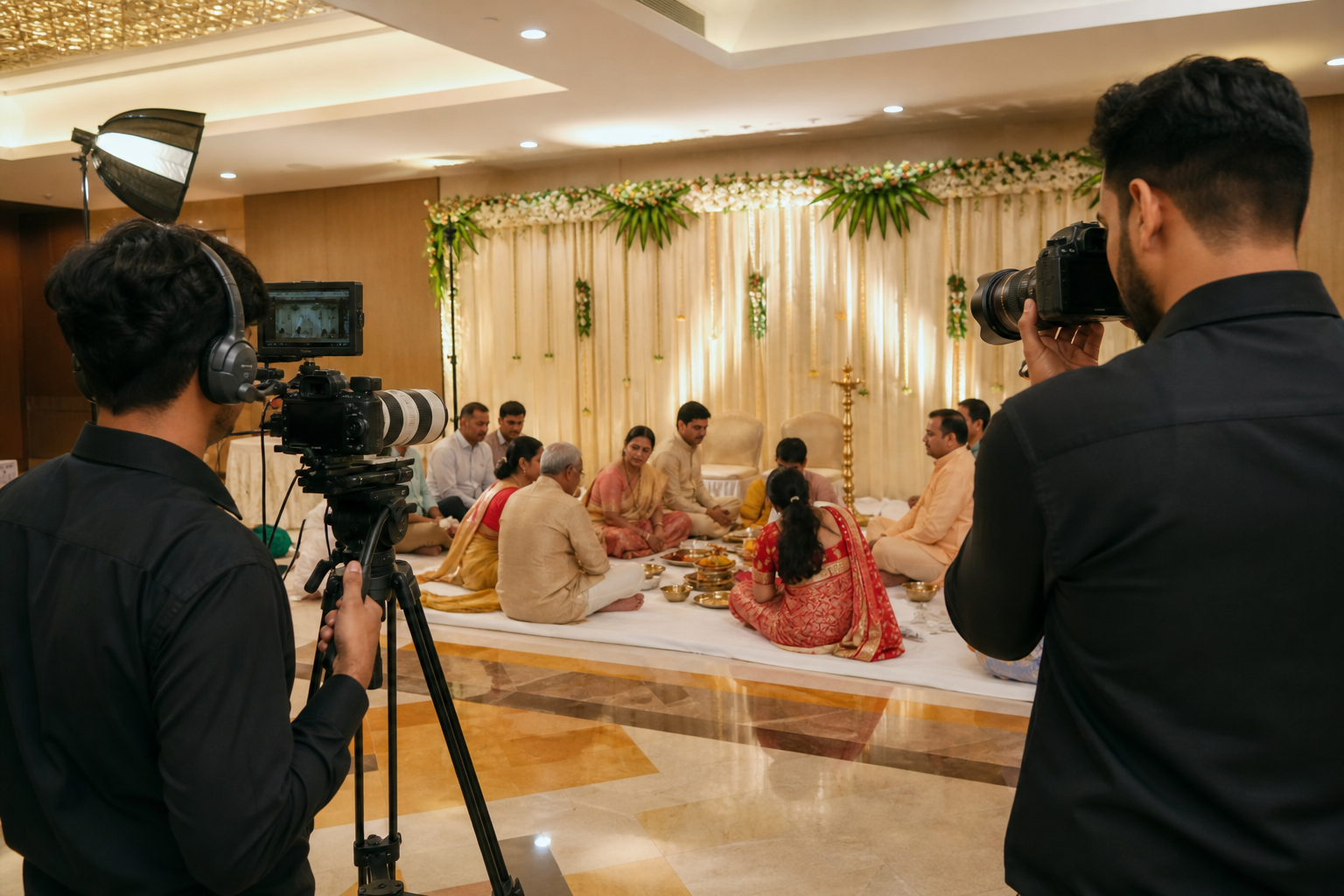
Briefing your photographer
Ask photographers to arrive early for a quick orientation and to keep movement minimal during mantras. Explain modesty expectations and where the family prefers no photography. If you want discrete footage, hire a team experienced with religious rituals so they know which moments are private and which are public.
Shot list essentials
- Close ups of the puja items, the child during aarti, family elders during mantras, and the moment of the haircut.
- Group photos and a few candid reception shots after the ritual.
Respectful staging and privacy
Position cameras off to one side and use silent modes for footage during mantras. If guests are uncomfortable with filming, respect their wishes. For families who prefer a professional package, event planners can coordinate cinematography to be unobtrusive while capturing the core moments. Patel Events lists cinematography and vendor coordination among its services and can help brief teams in London and Harrow Patel Events.
Decision tradeoffs and common objections
Muhurat versus single-day convenience
Rigid muhurat adherence can clash with guest availability. If the muhurat is essential to your family, prioritise it and expect to book early. If family presence is the priority, consider an acceptable alternative muhurat and note the tradeoff between astrological timing and attendance BookAyodhyaKashi.
Safe haircut logistics
Ensure the child is comfortable and that the person doing the haircut is calm and quick. Use clean instruments and a soft cloth to protect the skin. If the child has a scalp condition, consult a GP before the ceremony AryaSamajShastriji.
Hair donation and disposal options in the UK
Donation is a common practice, but UK temples and charities differ in acceptance policies. Confirm whether your chosen mandir will accept hair, or arrange storage for later donation. If donation is not possible, plan hygienic and respectful disposal following the pandit's guidance VedicPrism.
Quick next steps and a local booking option
Immediate actions to move forward:
- Pick a tentative date and note muhurat flexibility.
- Call two pandits and use the vetting questions above.
- Decide home, temple, or venue and confirm basic permissions.
- Print the samagri list and confirm which items vendors will supply.
- Book a photographer or briefing slot for cinematography if desired.
If you prefer hands-on support, Patel Events provides local planning, cinematography, and vendor coordination in Harrow and London. For a detailed planning checklist and next-step tools see the mundan sanskar planning guide on our site.
Frequently asked questions
What age is appropriate for a Mundan Sanskar and do I need a muhurat?
Many families perform Mundan between one and three years, but age varies by community. Muhurat is traditional but not mandatory. If muhurat is important, consult a pandit or astrologer and expect logistical constraints when booking in the UK Sanatana Journey.
Can I perform the Mundan ceremony at home in London and what permissions should I check?
Yes, home ceremonies are common. Check your home layout for an appropriate puja area, notify neighbours if you expect more guests, and confirm any building management rules for larger gatherings. If you plan a reception at a venue, ask the venue about religious services and catering policies in advance.
What should I ask a pandit before booking to confirm they can perform Mundan in the UK?
Ask for a clear vidhi outline, UK references, muhurat availability, and which samagri they provide. Request examples of recent ceremonies in the UK to ensure they know local venue logistics AryaSamajShastriji.
Is it customary to donate the hair after Mundan and how is hair disposal handled in the UK?
Donation is customary in many communities, but acceptance rules differ. Confirm with the temple or the pandit whether hair donation is possible and arrange packaging for donation if required. If donation is not accepted, follow the pandit's guidance for respectful disposal VedicPrism.
How should I brief a photographer so the ritual is captured respectfully and without interruption?
Ask the photographer to arrive early, stay to one side during mantras, and keep camera noise to a minimum. Provide a short shot list focused on key moments, and communicate any privacy or modesty boundaries before the day.
For support with planning, vendor coordination, and cinematography in Harrow and London, contact Patel Events.