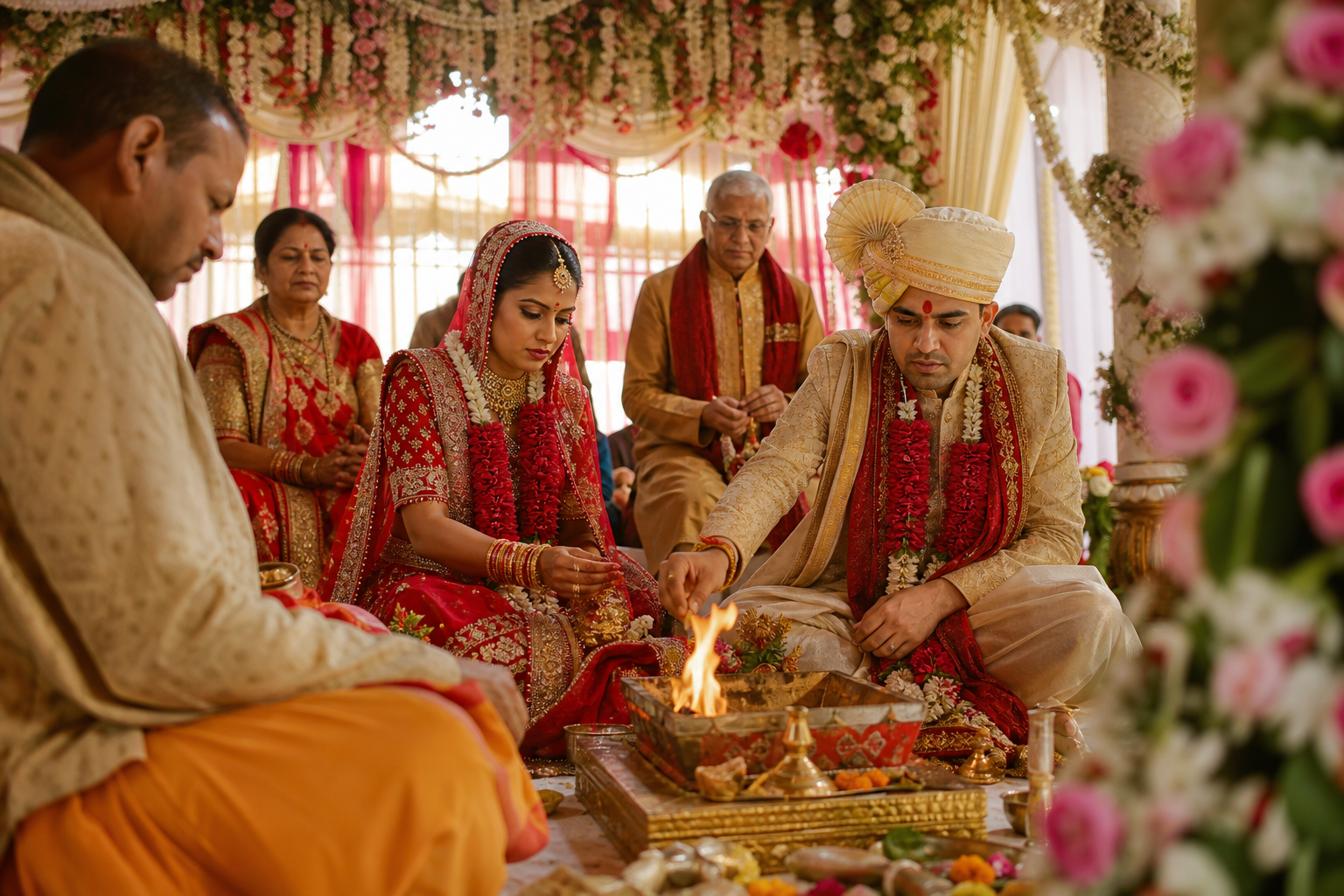
Mistakes to avoid when planning Gujarati wedding rituals
Gujarati wedding rituals are a multi-day blend of prayer, ceremony, music, and family gatherings. Each named ritual carries its own mood, guest list, timing, and technical needs, so planning a Gujarati wedding in the UK requires checks beyond a standard single-day event. Authoritative summaries of Gujarati practice list ceremonies such as Chandlo Matli, Gol Dhana, Pithi, Ganesh Pooja, sangeet and garba nights, the main wedding ceremony, Vidai, and post-wedding visits like Mosal. Treating these as separate mini-events prevents schedule clashes, vendor failures, and cultural mistakes (Exploring Gujarati wedding traditions, Gujarati wedding rituals: step-by-step, Gujarati wedding rituals, customs and traditions).
Why special planning checks matter
Gujarati rituals mix intimate religious rites and high-energy social functions. That combination affects venue access, sound and lighting needs, catering timing, and guest flow. In the UK, venue licensing, noise limits, and catering rules often determine what is possible for each night. Confirming these constraints early will stop last-minute compromises and help you keep the ceremonies you care about (Weddingkart, MatriMilan).
Treating a Gujarati wedding as a single-day event
Mistake: assuming the whole celebration fits a single-day timeline. Consequence: skipped rituals, repeated set-up costs, vendor rebookings, and stressed family members. Many Gujarati families keep Pithi or Gol Dhana separate from the main ceremony and host sangeet as its own evening. Each function needs tailored timing, catering, and guest management (Weddingkart).
Decision checks
- List every ritual you want, assign a likely day to each, and estimate guest counts per function.
- Ask vendors about multi-day pricing, separate set-up fees, rehearsal time, and overnight storage for décor and equipment.
- Reserve venue time for set-up and rehearsals, not just the moment the guests arrive.
Failing to confirm venue rules, licensing, and multi-day availability in London

Mistake: booking only the main reception and assuming the venue will accommodate other rituals. In the UK, venues can enforce strict hours, noise curfews, restrictions on open flames or religious set-ups, and limits on overnight storage. Confirm in writing whether you can use the space for Pithi, sangeet, rehearsal, and post-wedding visits, and whether additional fees apply for extended access.
Venue questions to ask
- Do you allow multi-day hire and can you provide written confirmation of set-up and rehearsal access?
- What are your noise curfew hours and any restrictions on amplified music for sangeet or garba?
- Are there limits on decor elements used for religious rites, for example diyas, ceremonial fire, or live floral mandaps?
- Can external caterers access a commercial kitchen and store food overnight?
- What contingency options exist if a ceremony must move indoors because of weather?
Attach the venue's written answers to contracts. If you need a sample multi-day timeline to negotiate dates, see Patel Events' planning timeline resource for Gujarati weddings (gujarati wedding planning timeline).
Hiring vendors without confirming Gujarati cultural competence
Mistake: assuming a supplier who works weddings generally understands Gujarati rituals. Priests, caterers, decorators, photographers, videographers, DJs, and MCs all require familiarity with the order and symbolism of rituals. A photographer who has never captured Vidai may miss vital moments, and a caterer unfamiliar with the timing of ritual snacks can disrupt flows. Confirm cultural competence before signing contracts (Azafashions, Weddingkart).
Exact checks and questions for vendors
- Request portfolio examples and references from Gujarati ceremonies they have supported.
- Ask for a sample run-sheet with arrival times, set-up windows, on-site breaks, and readiness times for each ritual.
- For caterers, request menus they have executed for Gujarati weddings and ask how they stage snack service during intimate rites.
- For priests and officiants, confirm they are comfortable with family-specific practices such as Chandlo Matli or Mosal.
Underestimating sangeet and garba technical needs
Mistake: hiring a standard DJ and assuming their setup will cover a full sangeet and garba programme. These nights need staging, high-quality sound, lighting that supports choreography, clear sightlines, and floor protection for garba circles. Gujarati celebrations place music and dance at the center, so technical planning is essential (Azafashions, ZIVAARA Studio).
Technical checklist for sangeet and garba
- Confirm stage dimensions, speaker sound pressure limits, and whether the venue supplies a lighting rig.
- Request a floor plan that shows dance space and safe walkways for elders and children.
- Ask the DJ or band for a sample set list and a schedule for live performances, DJ sets, and family routines.
- Schedule a sound check window and formalise curfew and overspill noise management in writing.
Overlooking ritual-specific guest lists and family flow
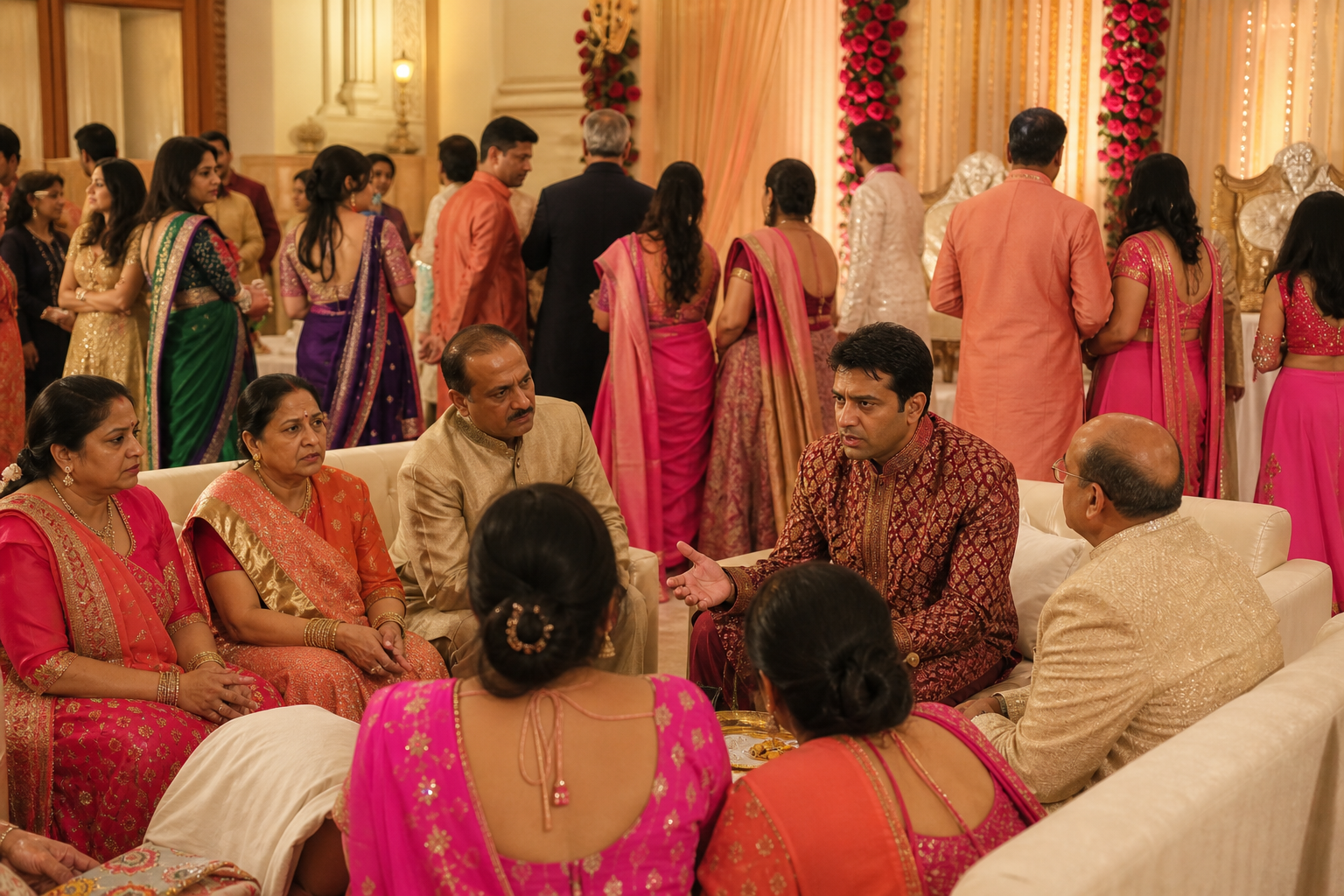
Mistake: printing one invitation and one seating plan for every function. Many rituals are intentionally intimate or limited to close family. Treating all functions the same causes crowding at private rites and unnecessary cost for large-scale services that are not needed. Separate guest lists change transport, accommodation, RSVP handling, and seating arrangements (Weddingkart, Bharat Gangaram).
Practical steps
- Create function-specific guest lists and identify family members who must attend particular rituals.
- Provide clear arrival and departure instructions so guests reach the right function on time.
- Book transport windows and hotel blocks with staggered check-in for multi-day attendees.
How to vet a planner or vendor: questions, decision criteria, and red flags
Mistake: hiring on price alone. A good planner should show cultural fluency, documented run-sheet processes, a network of reliable vendors, and contingency plans. Patel Events is a London-based company that lists experience across Weddings & Sangeets, destination events, and South Asian ceremonies. Their profile cites long experience, a large portfolio, and vendor relationships, which are useful decision facts to verify during interviews (Patel Events).
Interview questions that reveal readiness
- Can you show three recent full run-sheets from Gujarati weddings you executed in the UK and provide vendor references we can call?
- How do you manage multi-day venue hire and overnight storage for décor and food?
- Describe a contingency you executed for a sangeet or Pithi that required a venue change or last-minute vendor replacement.
- Can you provide sample contracts that specify noise curfew responsibilities, extra set-up fees, and cancellation terms?
Red flags
- No portfolio examples of Gujarati ceremonies or only examples from unrelated cultural styles.
- Unwillingness to provide a written run-sheet or a list of vendor partners and references.
- Unclear policies on multi-day hire or secrecy about extra fees for repeated set-ups.
Practical one-page checklist for London couples and next steps
Use this short checklist to protect your timeline and traditions. For a detailed sample timeline, Patel Events offers a planning timeline resource that helps assign days and lead times across rituals (gujarati wedding planning timeline).
- Schedule each ritual as a separate booking and reserve venues for set-up and rehearsal days.
- Get venue rules in writing including noise curfew, overnight access, kitchen use, and decor limitations.
- Vet vendors for Gujarati experience, request run-sheets, and ask for ritual-specific portfolio examples.
- Confirm technical specs for sangeet and garba including stage size, sound levels, lighting, and dance floor protection.
- Create function-specific guest lists and arrange staggered transport and accommodation.
- Require a written contingency plan from your planner covering weather, vendor no-shows, and venue changes.
Frequently asked questions
What are the essential Gujarati wedding rituals I should plan for?
Common rituals include Chandlo Matli or tilak, Gol Dhana, Ganesh Pooja, Pithi, sangeet and garba, the main wedding ceremony, Vidai, and post-wedding visits such as Mosal. Families add or omit rituals based on tradition and preference, so list the rituals important to you early in planning (Azafashions, Weddingkart).
How many days do Gujarati weddings usually last in the UK?
There is no single rule. Gujarati weddings are often multi-day affairs and can span two to five days depending on which rituals you include. Treat each ritual as a separate mini-event when reserving venues and vendors (MatriMilan).
What questions should I ask a London venue before booking for a multi-day Gujarati wedding?
Ask about multi-day hire availability, written confirmation of set-up and rehearsal access, noise curfew times, rules for religious items and open flames, kitchen access for caterers, and contingency options for weather or schedule changes. Put the answers in writing and attach them to your contract.
How can I confirm a caterer understands Gujarati wedding food customs?
Request sample menus they have executed for Gujarati weddings, schedule tastings, and ask how they stage continuous service across multiple small ceremonies. Confirm they can supply ritual-specific items and timed snack service for intimate rites and larger receptions.
When should I hire a Gujarati wedding planner in London and what should I expect from them?
Hire a specialist planner as early as possible once you have provisional dates. Expect a planner to provide a detailed run-sheet, vendor coordination, venue negotiation for multi-day access, technical production for sangeet, and contingency planning. Verify cultural literacy with portfolio examples and references.
Next step: for professional support that understands South Asian and Gujarati ceremonies and can manage multi-day logistics across London and destination venues, contact Patel Events to view sample run-sheets and timeline tools and to discuss your dates (Patel Events).