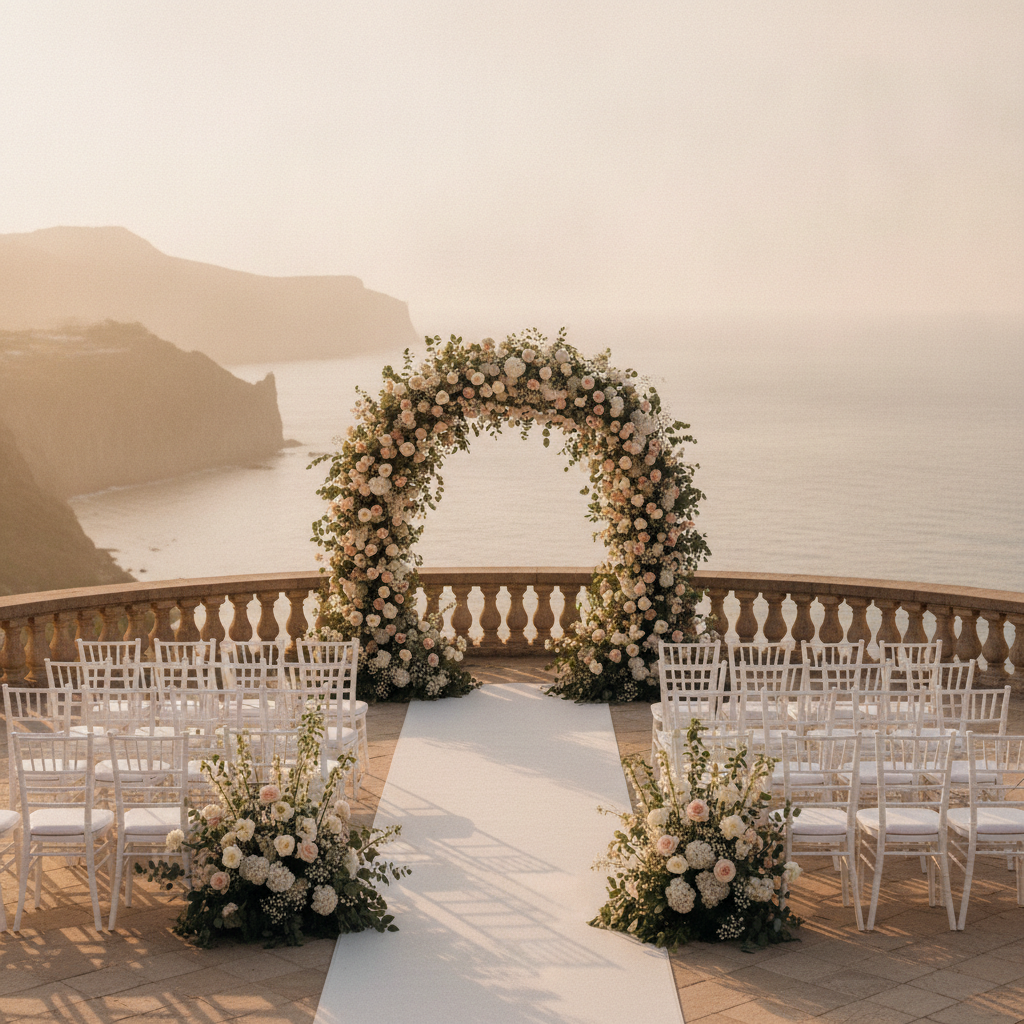
How to plan an overseas wedding means organizing a legal ceremony and reception in a country other than where you live. It blends destination logistics, guest travel, and local regulations into one plan. Done well, it delivers a memorable celebration and a smoother experience for you and your guests in Harrow and beyond.
By Shani Patel • Last updated: 2026-07-03
At a Glance Overview
Use a 12–15 month roadmap, confirm legal requirements first, shortlist 3–5 venues, and lock travel windows before décor. Share group travel details early, build a day-of run sheet, and assign clear roles. Document everything. This approach keeps planning calm, timely, and guest-friendly for a wedding abroad.
Before we dive deep, here’s what you’ll master in the next few minutes. We’ll keep it practical, with examples drawn from Patel Events’ destination work in Udaipur, Goa, and European coastlines.
- How to verify legal and cultural requirements in your chosen country
- What timeline works best for long-haul guest travel
- How to evaluate venues when you can’t visit in person
- What to delegate vs. what to keep in-house
- Ways Patel Events (Harrow/London) coordinates multi-ritual weddings overseas
Before You Start (Prerequisites)
Start with non-negotiables: your date window, guest count range, cultural rituals, and legal paperwork. Validate marriage requirements, passport validity, and seasonality. With those fixed, you can confidently shortlist destinations and venues that actually fit your ceremony and travel realities.
Every strong plan begins with constraints. In our experience planning Gujarati, nikkah, and sangeet-led celebrations, clarity up front halves revision cycles later.
Define your anchors
- Ritual map: List each ceremony (nikkah, sangeet, pheras, reception) and rough durations.
- Date window: Pick a 2–3 week span to improve venue and airfare options.
- Guest range: Decide a floor and ceiling (e.g., 120–180) to size venues and lodging.
- Travel tolerance: Note flight length limits and mobility needs for elders or kids.
Lock legal and travel essentials
- Marriage legality: Some countries require residency days or documents to be translated and apostilled.
- Passports + visas: Ensure both partners’ passports exceed 6 months post-travel; flag any visa requirements for key guests.
- Seasonality: Check monsoon, hurricane, or heat waves; aim for shoulder seasons to balance comfort and availability.
- Insurance + backups: Secure wedding and travel insurance; earmark indoor options for outdoor plans.
For ceremony-specific planning, see our nikkah ceremony planning checklist and the Gujarati wedding planning timeline—both translate well to destination settings.
How to Plan an Overseas Wedding: Step-by-Step
Confirm legalities, set a 12–15 month timeline, shortlist 3–5 venues, pre-book room blocks, and align travel dates. Then source local vendors, lock a design direction, and publish a guest portal. Finish with site checks (virtual or in-person) and a day-of run sheet with roles and contingencies.
Here’s a pragmatic flow we use when couples ask how to plan an overseas wedding from Harrow.
Step 1 — Validate legal requirements
- List marriage license rules, residency days, and document translations for your country.
- Decide between a legal ceremony abroad or a symbolic overseas ceremony + legal signing at home.
- Create a document pack: passports, birth certificates, affidavits, and any faith documentation.
Step 2 — Build a 12–15 month timeline
- 12–15 months: Destination/venue shortlist; planner conversations; hold dates.
- 10–12 months: Lock venue + room blocks; start key vendor holds (caterer, photo/video, music).
- 6–9 months: Save-the-dates; guest portal live; décor direction; menu tastings (virtual if needed).
- 3–4 months: Finalize seating, transport, and run sheets.
- 30 days: Confirm RSVPs, vendor briefs, and contingency kits.
Step 3 — Shortlist 3–5 venues (even without a site visit)
- Use floor plans and 360° videos to plot rituals and guest flow.
- Request wind/rain fallback photos for outdoor spaces.
- Ask for two recent, unedited event galleries at your guest count.
- Cross-check load-in times for sangeet stages, mandaps, and lighting rigs.
For destination inspiration, explore our Udaipur destination wedding checklist and our guide on planning in Goa.
Step 4 — Secure travel and lodging
- Block 2–3 hotel options (different budgets and amenities) near the venue.
- Share suggested flight windows and airport transfer details on your guest portal.
- Buffer arrival by 48 hours for the wedding party to acclimate and rehearse.
Step 5 — Vendor ecosystem (local + traveling)
- Mix local specialists with one or two critical traveling vendors (e.g., cinematography or priest/imam/granthik).
- Request live video walk-throughs and 10-minute chemistry calls.
- Document response times and handoffs to avoid day-of bottlenecks.
Step 6 — Design direction and cultural choreography
- Define a unifying aesthetic across welcome night, sangeet, ceremony, and reception.
- Plan cultural transitions: dhol-led baraat routes, shoe games, vidai logistics, or nikkah signing flow.
- Stage management: mark stage load limits and power drops for DJs and live acts.
We detail frequent pitfalls in overseas wedding planning mistakes—a quick read that saves hours later.
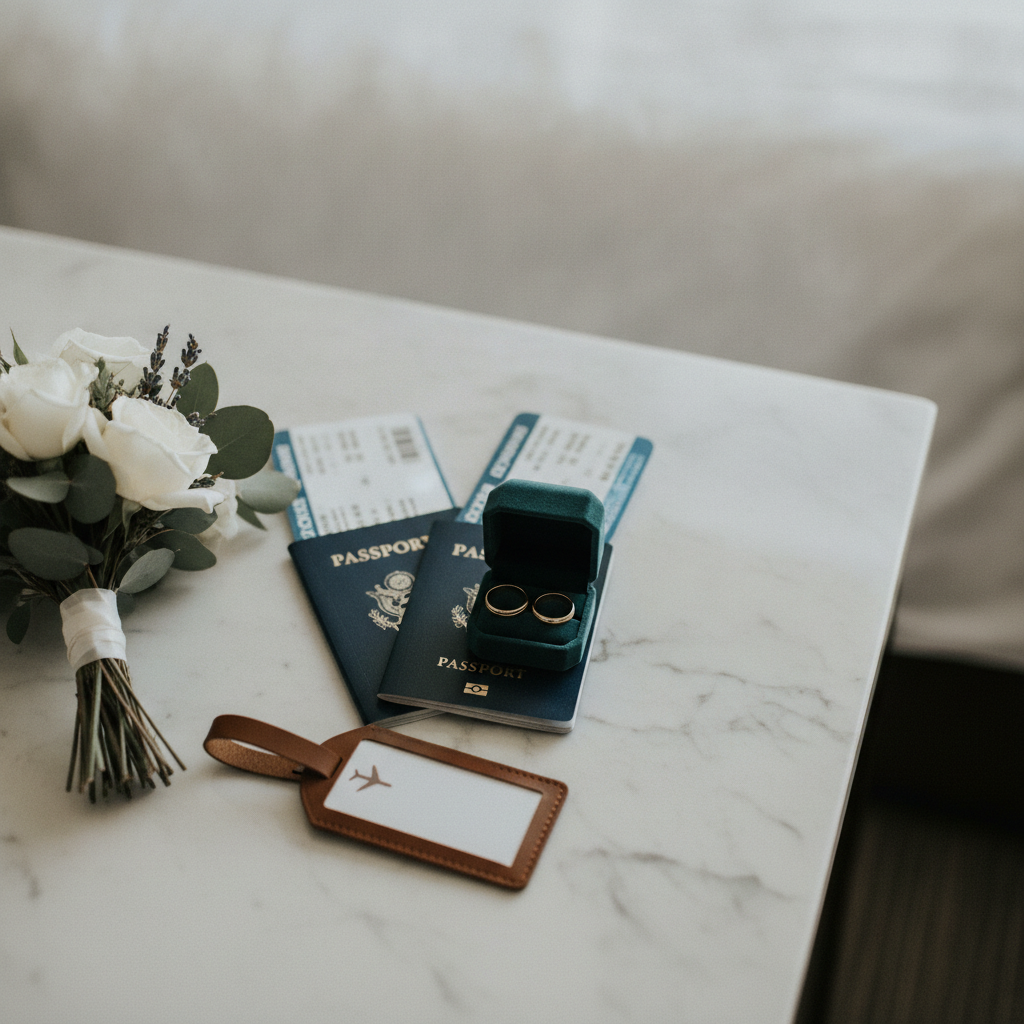
Destination short-list comparison
| Region | Legal path | Best season | Guest travel ease | Notes |
|---|---|---|---|---|
| Udaipur | Symbolic abroad + legal at home is common | Oct–Mar | Medium (1 stop from London) | Heritage venues; grand processions; mild evenings |
| Goa | Symbolic or local civil (check residency) | Nov–Feb | Medium (via Mumbai) | Beach mandaps; sea-breeze backups essential |
| Santorini | Civil or symbolic; paperwork translations | May–Jun, Sep | High (direct + short haul) | Cliff venues; wind considerations |
| Riviera Maya | Resort civil ceremonies possible | Dec–Apr | Medium (1 stop) | All-inclusive logistics; hurricane season check |
| Lake Como | Civil or symbolic; venue permits vary | May–Sep | High (direct to Milan) | Villas with strict sound curfews |
Book a short planning chat with Patel Events. We’ll map your top three destinations, a draft timeline, and vendor ecosystem—so you start with clarity.
Based in Harrow, we coordinate logistics from near Kenton station to far-flung venues worldwide.
Troubleshooting: Common Overseas Wedding Issues
Expect three stress points: paperwork delays, weather pivots, and vendor handoffs. Mitigate by pre-validating documents, holding backups for outdoor spaces, and assigning a single point-of-contact with escalation rules. Rehearse transitions virtually. Share contingencies with VIPs.
Paperwork and timing
- Create a document tracker with sent/received dates and who’s responsible.
- Plan a symbolic ceremony if legal timelines look tight.
- Use courier services with tracking for any notarized packets.
Weather and power
- Hold a covered backup for each outdoor moment (mandap, nikkah, reception dance floor).
- Specify generator capacity, UPS for audio, and cable runs in the run sheet.
- Pre-approve décor swaps (e.g., marigolds to lanterns) when wind exceeds a set threshold.
Vendor handoffs
- Define radio channels and fallback to a messenger group if needed.
- Use 10-minute micro-scrums between ceremonies to keep everyone aligned.
- Share a one-page “ceremony cues” sheet with officiants and MCs.
Need an on-the-day structure? Our Indian wedding coordinators guide outlines handoffs that work across time zones.
Advanced Tips and Pro Moves
Pilot your experience with a “welcome night” that previews cuisine, music, and dress code. Set a guest portal with flight windows, group chats, and emergency contacts. Finally, build a visual brief so remote decorators, caterers, and photographers all design to the same target.
- Experience-first: Curate welcome hampers with local snacks and a mini-ritual guide.
- Guest portal: Host itinerary, transport, menus, attire color palettes, and contact trees.
- Design bible: 10–15 slides with color codes, florals, tablescapes, and lighting looks.
- Rehearsal via video: Walk VIPs through cues a week prior; record for anyone traveling.
- Quiet care: Assign a hospitality lead for elders, new parents, and differently abled guests.
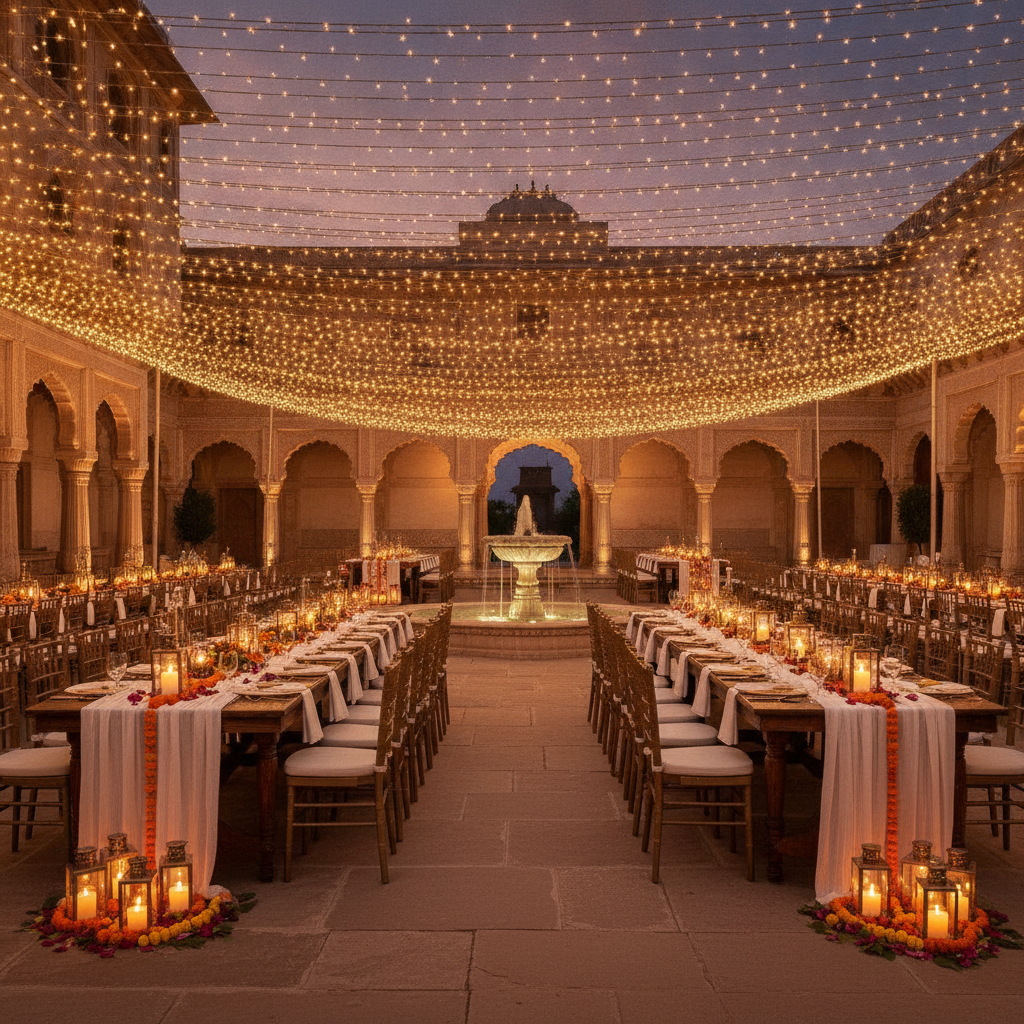
Local Context: Planning from Harrow, London
Plan globally, launch locally. From Harrow, build your paperwork pack, schedule early-morning overseas calls, and run dress rehearsals near home. Use nearby transit for planning meets and leave buffer days around international flights to reduce stress on your wedding party.
Many Patel Events couples begin planning near Harrow, then fly for the celebration. That split works—if you operationalize it. Two local touchpoints often help: a pre-flight rehearsal near Northwick Park and convenient meet-ups around Kenton station for VIPs.
Local considerations for Harrow
- Schedule overseas vendor calls early UK mornings to align time zones without fatigue.
- Run a full cues rehearsal and attire try-on a week before departure, then pack labeled garment bags.
- Use a shared cloud folder with passports, itineraries, and emergency contacts; give read-only access to your planning trio.
Frequently Asked Questions
Start 12–15 months ahead, verify legalities, and build backups for weather and logistics. Use a guest portal, clear run sheets, and a single coordinator. When in doubt, make the ceremony symbolic abroad and sign legally at home to avoid paperwork delays.
How far in advance should we start planning?
Begin 12–15 months ahead. That window lets you secure venues, room blocks, and long-haul flights, then handle visas and documents without rush. With multi-ritual weddings, an early start gives decorators, caterers, and musicians time to coordinate load-ins and backups.
Is it better to do the legal ceremony abroad or at home?
If residency or translation rules are complex, many couples sign legally at home and hold a symbolic overseas ceremony. You keep the full destination experience while removing paperwork risk. Where legal paths are simple, a civil ceremony abroad is fine—validate timelines first.
How do we plan if we can’t visit the venue?
Request scaled floor plans, 360° videos, and two recent unedited galleries at your guest count. Schedule a live video walk-through during the same time of day as your ceremony. Use a shared visual brief so décor, lighting, and seating are aligned.
What’s the best way to communicate with guests?
Create a simple guest portal. Include dates, hotel links, airport transfer details, attire palettes, and a WhatsApp group link. Send save-the-dates by 6–9 months and a travel reminder at 90 and 30 days. Add a local emergency contact card to welcome packs.
Additional Resources
Use expert checklists, destination guides, and resort selection frameworks to accelerate decisions. Cross-reference at least two reputable sources when you’re validating venue questions, backup plans, and seasonal weather windows.
Venue selection is often the hardest step. This practical resort selection guide outlines location and logistics filters you can copy. For South Asian venue nuances, these venue checklists and a broader GTA venue guide offer useful prompts for décor loads, catering, and flow.
Conclusion and Next Steps
Lock legalities, build a timeline, then stage-manage logistics with clear roles. With a visual brief, tested backups, and guest-friendly communication, your destination celebration becomes both stunning and stress-resilient—exactly what a great wedding abroad should be.
Key takeaways
- Legal validation first; design second.
- 12–15 month runway improves availability and calm.
- Guest portal + clear run sheets reduce on-site questions by half.
- Backups for weather, power, and transport keep events on time.
Ready to map your day? Start with our quick read on South Asian wedding planning mistakes and then schedule a discovery chat. We’ll translate your vision into a timeline, vendor ecosystem, and design brief—so you can celebrate with confidence.