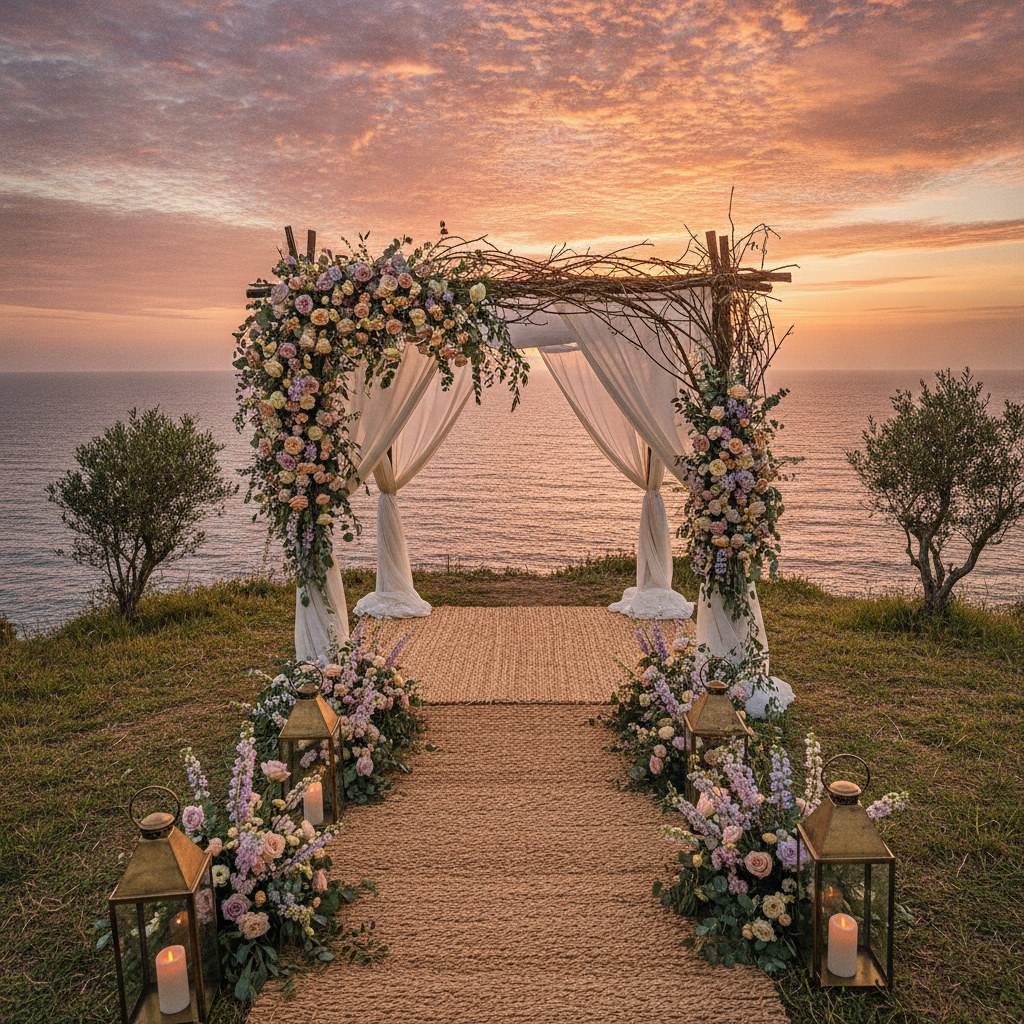
A destination wedding planner is a specialist who designs, coordinates, and executes weddings in locations away from your home city. For couples near HA3 0PB on Abercorn Gardens, Patel Events provides end-to-end guidance—venues, travel, rituals, and production—so your celebration stays joyful, culturally faithful, and on schedule.
By Shani Patel — Patel Events
Last updated: 2026-06-16
Overview: Your destination wedding planner complete guide
Use this guide to plan an overseas wedding with clarity and confidence. You’ll learn what a destination wedding planner does, why their role matters, how the process unfolds, and best practices for South Asian multi-ritual events—plus tools, examples, and a comparison of planning models.
This complete guide is built from Patel Events’ 27+ years, 500+ events, a 98% satisfaction record, and a vendor network of 50+ partners. It’s written for London-based couples (and families across the UK) planning culturally rich celebrations from Udaipur grandeur to coastal vows.
- What you’ll get: plain-language answers, step-by-step planning, and field-tested checklists.
- Who it’s for: couples planning Hindu, Muslim, Sikh, Jain, and multicultural weddings abroad.
- What’s inside: roles, timelines, vendor selection, travel logistics, design, rituals, and on-site execution.
At a glance table of contents
- What is a destination wedding planner?
- Why hiring a planner matters
- How destination planning works
- Types of planning approaches
- Best practices
- Tools and resources
- Case studies and examples
- Greater London local insights (HA3 0PB)
- Planner vs coordinator vs DIY
- Frequently asked questions
- Conclusion and next steps
What is a destination wedding planner?
A destination wedding planner is a project lead who translates your vision into a real celebration abroad—handling venue scouting, vendor sourcing, schedules, travel logistics, rituals, and on‑site execution. The best planners integrate culture, design, and production so every event touchpoint runs on time and feels authentically you.
In our experience, couples juggle 3–5 core events (welcome, sangeet, ceremony, reception, and farewell). Each event has its own timeline, vendors, and cultural requirements. A strong planner unifies these streams into one integrated plan, with a single source of truth and clear responsibilities.
- Core responsibilities: venue and date alignment, vendor procurement, schedule design, logistics, guest communications, on-site direction.
- Specialist value: South Asian rituals fluency (nikkah, sangeet, pheras/vidai), décor translation, and family dynamics support.
- Outcomes: on-time ceremonies, cohesive styling, reduced stress, and memorable guest experience.
For deeper prep, explore our destination planning checklist as a starting point for roles, timeline anchors, and responsibilities.
Why hiring a destination wedding planner matters
Hiring a destination wedding planner protects your time, reduces risk, and preserves cultural integrity. They preempt issues across vendors, travel, and schedules, consolidating decisions so your family can enjoy the moment. The result is a calmer planning journey and a celebration that feels intentional and complete.
Here’s what most people don’t realize: overseas venues, local regulations, and language create compounding complexity. Add multiple rituals, and tasks multiply quickly. A seasoned team compresses months of trial‑and‑error into a streamlined plan, which is crucial when family travel, religious rites, and design production must move in lockstep.
- Time saved: curated shortlists, faster decisions, vendor negotiations handled for you.
- Lower risk: reliable contracts, backup vendors, and contingency plans for weather and transport.
- Cultural fidelity: ceremonial details respected—from nikah signing etiquette to Gujarati garba sequences.
To see typical pitfalls, read our notes on overseas planning mistakes and how to avoid cascading delays or last‑minute compromises.
How destination planning works
Destination wedding planning follows a structured lifecycle: discovery, design, sourcing, scheduling, travel logistics, guest management, and on‑site delivery. Each phase has milestones and artifacts (briefs, run sheets, layouts) that align vendors and family so ceremonies, sangeet, and receptions connect seamlessly.
Below is a practical flow we use at Patel Events for weddings from Udaipur palaces to Goa beachside resorts. It scales for 60–400 guests and adapts to Hindu, Muslim, Sikh, and multicultural formats.
- Discovery: clarify vision, guest count ranges, rituals, and access needs.
- Date + Venue lock: shortlist 3–5 venues; hold dates; request layouts, power specs, and ceremony policies.
- Experience design: moodboards, colorways, and a storyboard for 3–5 events.
- Vendor sourcing: décor, florals, DJ/live acts, cinematography, catering tastings, priest/qazi/pandit scheduling.
- Run sheets: minute‑by‑minute outlines for each event, plus master production schedule.
- Travel logistics: flight windows, transfers, welcome desks, and luggage planning for outfits and gifts.
- Guest comms: save‑the‑date timeline, RSVP collection, rooming list, and WhatsApp broadcast plan.
- Permits + rules: sound ordinances, fireworks, drone policies, and ceremony permissions.
- On‑site prep: vendor briefings, rehearsals, and final walk‑throughs against layouts.
- Wedding week: build days, daily kickoffs, live cueing, and night‑of tear‑down coordination.
- Post‑event: returns, gratuity coordination, and media delivery plan.
Want a granular template? Our Indian wedding coordinator’s guide breaks down crew calls, handoff points, and formatting that keeps teams synchronized.
Types of destination planning approaches
Choose from full‑service planning, partial planning, month‑of coordination, or venue‑only support. Your best fit depends on event count, travel complexity, and cultural rituals. For multi‑day South Asian weddings, full‑service is most reliable because it unifies design, logistics, and ceremonies end‑to‑end.
Common engagement models
- Full‑service planner: end‑to‑end ownership from concept to on‑site delivery; ideal for 3–5 events.
- Partial planning: you pre‑book venue/some vendors; planner finalizes design, run sheets, and on‑site.
- Month‑of coordination: for couples who enjoy planning but want professional production in the final mile.
- Venue coordinator only: helpful for in‑house logistics, but not a substitute for comprehensive multi‑event planning.
Local planner vs in‑country specialist
- Local (Greater London) planner: stronger pre‑wedding support and family liaison, consistent timezone, and cultural continuity.
- In‑country specialist: nuanced venue relationships and real‑time local intel.
- Hybrid: often the sweet spot—local strategy plus trusted in‑country partners for execution.
For perspective on location‑specific workflows, see our Udaipur checklist and Goa planning primer.
Best practices for a flawless overseas wedding
Anchor decisions to a master schedule, design a guest‑friendly experience, and protect rituals with the right specialists. Use backups for weather, power, transport, and talent. Consistent communication—before and during the week—keeps hundreds of moving parts working as one.
We’ve found three fundamentals consistently drive success across 500+ events: clarity, cadence, and care. Clarity means single‑owner decisions and documented choices. Cadence is the rhythm of updates, rehearsals, and briefings. Care shows up in guest experience touchpoints and how respectfully rituals are delivered.
- Schedule discipline: publish run sheets 2–3 weeks out; lock cueing and walk‑ons 72 hours prior.
- Weather strategy: tenting or ballroom flips; heat plans for outdoor pheras; wind‑safe florals.
- Power + audio: specify generator kVA, redundancy, and mic backups (lav + handheld).
- Guest flow: signage strategy, hydration points, and mobility access checks on all routes.
- Ritual fidelity: priest/qazi alignment on scripts, sequence, and stage geography.
- Vendor matrix: role clarity for decorators, AV, entertainment, catering, transport, and media.
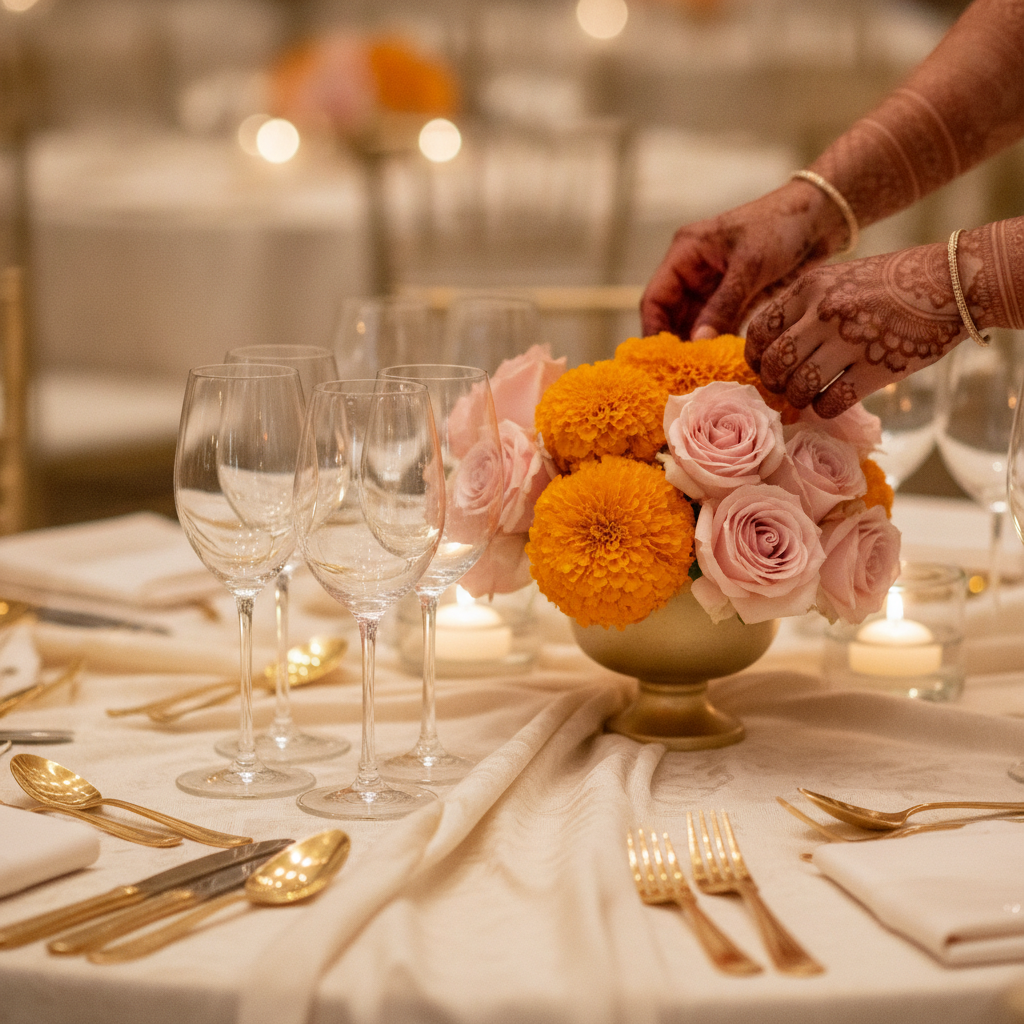
Design decisions should reflect your story without compromising operations. For example, a floating mandap can be stunning—ensure safe access, wind ratings, and ADA‑friendly alternatives. And for sangeet, bring live dhol alongside your DJ for Events brief so rehearsed entrances snap to time.
Venue selection wisdom from industry venues can spark ideas; review real‑world considerations like blackout dates and capacity as shown by this venue example to inform your questions list when shortlisting properties.
Tools and resources we rely on
Use simple, shared tools: a planning portal, vendor tracker, production run sheets, and guest comms hub. Templates reduce ambiguity and speed decisions. The right stack keeps family, vendors, and venues aligned from the first welcome dinner through the farewell brunch.
Planning templates
- Master Gantt: milestones by month with dependencies (visas, outfits, tastings, rehearsals).
- Vendor tracker: contacts, deliverables, proofs, rider needs, and payment status.
- Run‑sheet pack: per‑event minute plans, cue lists, contact trees, and floor layouts.
- Guest comms: RSVP form, rooming list, arrival windows, dietary matrix, and WhatsApp updates.
Design + inspiration
- Create moodboards that translate across cultures (e.g., Gujarati garba palettes with modern florals).
- Leverage our Indian wedding planners guide to map rituals into stage and décor geometry.
Research signals
- When reviewing resort options, reference thorough selection criteria like those discussed in this resort planning piece to shape your due‑diligence checklist.
- Menu planning inspiration from cross‑cultural caterers, such as this practical menu guide, helps align tastings with dietary needs.
Case studies and real‑world examples
Successful destination weddings blend cultural depth with precise logistics. These brief scenarios show how Patel Events uses vendor networks, ritual fluency, and run‑sheet discipline to deliver multi‑day celebrations—whether in Udaipur palaces or by the shores of Goa.
Udaipur: palatial splendor, multi‑ritual rhythm
Scenario: a three‑day Hindu wedding with welcome night, sangeet, pheras at sunrise, and a formal reception. We synced a classical entry with live shehnai, timed agni lighting to sunrise windows, and staged a mandap with wind‑rated florals. Backup ballroom layouts were approved 10 days prior.
- Vendor highlights: in‑country décor artisans, acoustics‑aware shehnai placement, and a cinematography plan that favored natural light.
- Guest care: hydration and shade at ceremony, shuttle cadence every 10–12 minutes, and an early children’s dinner station.
Goa: oceanside vows with rain‑safe design
Scenario: a Muslim nikah with a seaside reception and late‑night dance. We designed a canopy that met coastal wind profiles and set a rapid flip to a covered deck if showers appeared. Vendor radio codes were simplified to prevent cueing errors under music.
- Vendor highlights: qazi coordination on signing flow, coastal‑friendly florals, and noise‑ordinance‑compliant audio.
- Guest care: fiber‑run uplights to avoid power drops and taxi desks for late‑arriving guests.

London diaspora: rituals with modern flair
Scenario: multicultural couple with Hindu pheras, a civil signing, and a modern reception. We fused a sleek aesthetic with tradition—ensuring priest requirements, photography angles, and ADA access coexisted. Family roles were documented on one page to minimize repeated briefings.
For a step‑by‑step companion, see our wedding event organizer guide that illustrates how we translate cultural scripts into floor plans and cue lists.
Destination wedding planner in Greater London: local insights for HA3 0PB
Couples in HA3 0PB benefit from Patel Events’ Harrow roots and Greater London access. We coordinate family meetings near Abercorn Gardens, manage time‑zone‑friendly vendor calls, and stage rehearsal briefings so your travel week runs smoothly—before you ever board a plane.
Grounding overseas plans locally keeps momentum high. We align fittings, décor samples, and music rehearsals in Greater London, then hand off to our in‑country partners. This hybrid method reduces revision cycles and travel stress, especially when elders or young children are involved.
Local considerations for HA3 0PB
- Schedule family meet‑ups near transit like Preston Road Station to simplify fittings, tastings, and rehearsal logistics.
- Peak travel aligns with UK school holidays; lock critical fittings and décor sign‑offs well before those windows.
- For sangeet rehearsals, use London‑based studios; lock DJ playlists early so live dhol coordination is crisp by wedding week.
Planner vs coordinator vs DIY: which approach fits you?
If you’re hosting multiple events, traveling with elders, or honoring complex rituals, a full‑service destination wedding planner offers the most control and calm. For simpler one‑day formats, a coordinator may suffice; DIY fits only when stakes and complexity are low.
| Model | Best for | Strengths | Risks |
|---|---|---|---|
| Full‑service planner | 3–5 events; cultural depth; 80–300+ guests | Unified design + logistics; vendor network; one accountability path | Requires trust and timely decisions |
| Partial planning | Some vendors booked; 2–3 events | Flexible scope; pro run sheets; targeted support | Gaps if early decisions conflict with logistics |
| Month‑of coordination | Mostly planned; single‑day or light multi‑day | Professional show‑calling; stress reduction | Limited influence on earlier choices |
| Venue‑only coordination | One‑venue weddings; light cultural needs | Efficient for in‑house ops | Not a substitute for full multi‑event planning |
Considering what to tackle first? Our planner vs local planner notes outline decision triggers we use with couples during discovery.
Frequently asked questions
These quick answers cover common decisions for couples starting destination wedding planning—timelines, vendor fit, travel readiness, and cultural considerations that keep rituals dignified and events on time.
How far in advance should we start destination wedding planning?
Begin 12–16 months ahead for multi‑day South Asian weddings. That timeline secures venues, priests or officiants, and peak‑season dates. If your event is simpler or off‑peak, 9–12 months can work, but lock critical vendors and guest travel early.
What’s the difference between a venue coordinator and a destination wedding planner?
Venue coordinators manage in‑house operations and venue rules. A destination wedding planner owns the entire experience—multi‑event schedules, cultural rituals, external vendors, and guest logistics—ensuring all parts come together, on time, across locations.
Can you support both Hindu pheras and a nikah in the same wedding week?
Yes. We routinely plan cross‑tradition weddings. We align officiants on sequence and staging, design respectful stage geography, and build run sheets that make space for each ceremony’s dignity and family customs.
How do you keep hundreds of guests informed during the week?
We use a single communications hub: pre‑trip emails, WhatsApp broadcast lists, and printed highlights at welcome desks. Daily reminders sync with the run sheet so transfers, rehearsals, and outfit changes happen on time.
Conclusion and next steps
A destination wedding planner turns complexity into a graceful celebration. With unified schedules, culturally aligned ceremonies, and a seasoned vendor network, your wedding week stays calm, beautiful, and on time. The smartest next step is a discovery call to align vision, rituals, and logistics.
- Key takeaways:
- Consolidate decisions under one owner and a single source of truth.
- Design for guest comfort and ritual dignity, then protect it with backups.
- Hybrid planning—Greater London prep with in‑country partners—reduces risk.
Soft CTA: Ready to explore venues and timelines? Review our planning checklist and then reach out to schedule a brief discovery session. If you’re nearby HA3 0PB, we’re happy to host a kickoff near Harrow before you choose dates.